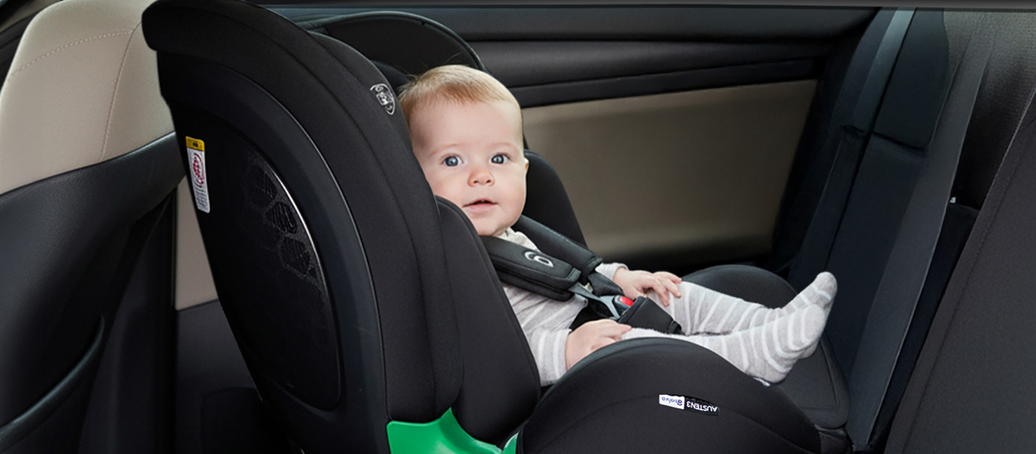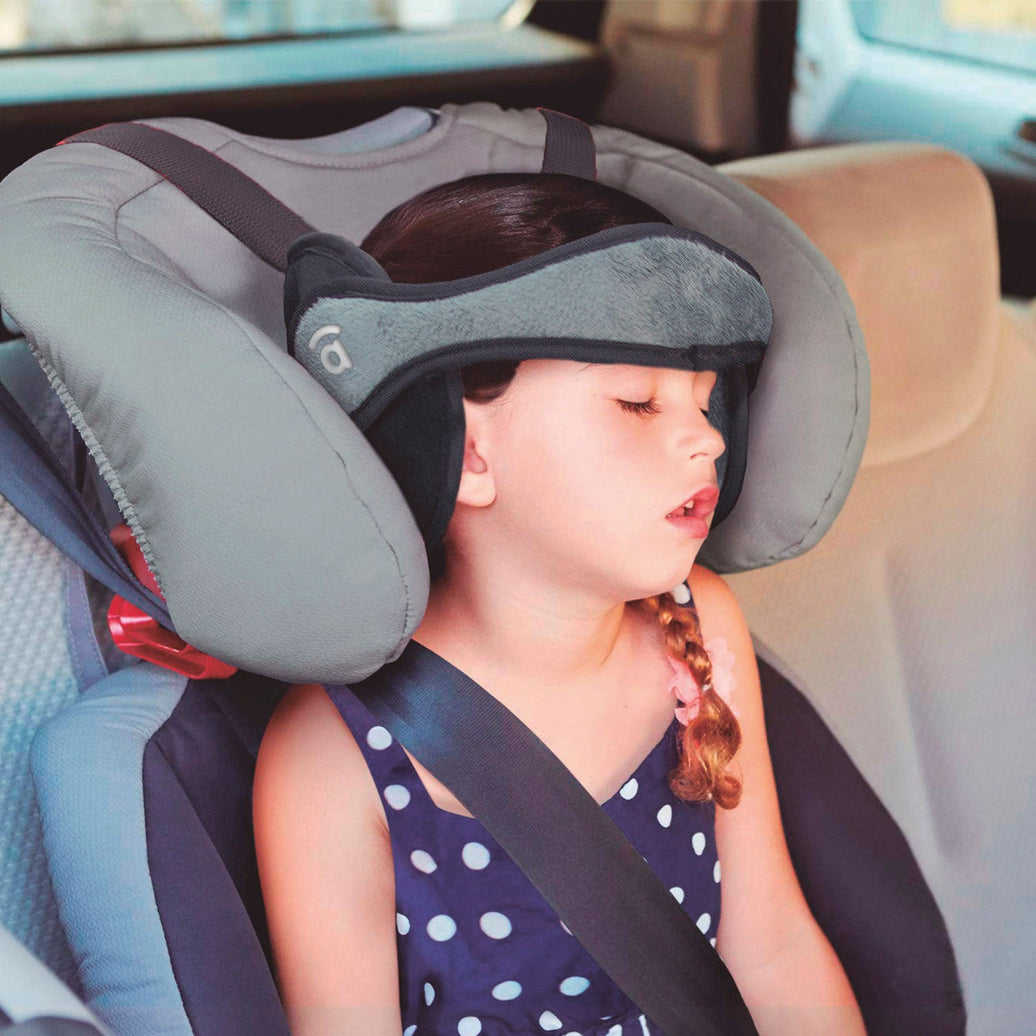
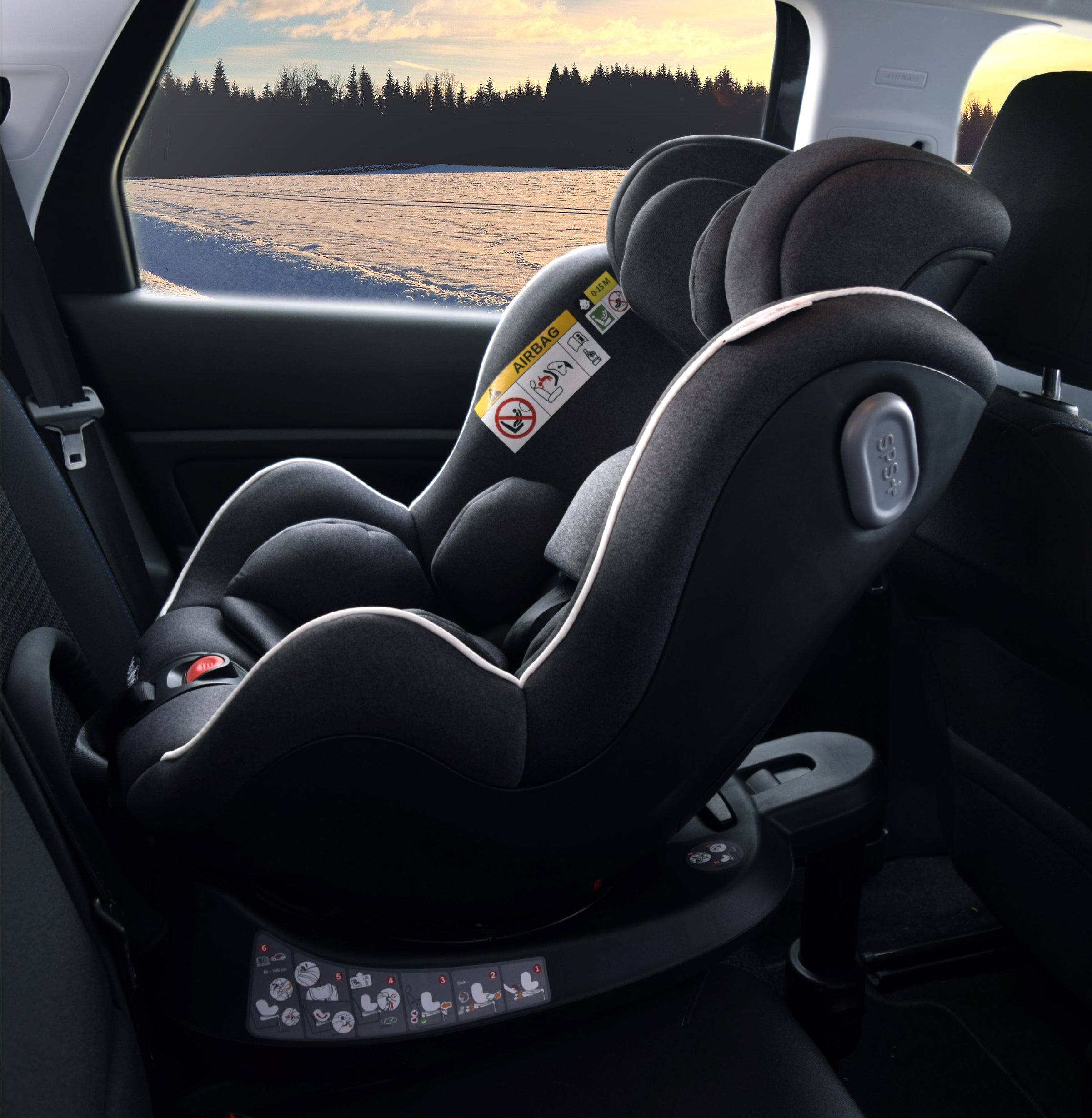

Surely the name of this post has caught your attention and you are thinking what the season of the year has to do with the use of a child restraint system (CRS) or car seat. Believe it or not, everything we are going to tell you in this post is very important because, as we always tell you when we talk about car seats, we are talking about SAFETY. In the car is where your child is most vulnerable and it is up to all of us as a society to protect him and all children, but especially you as a mother or father. We want to help you do this, and we are going to make some considerations that are surely of interest to you, although they may seem too obvious.
A few months ago, in several entries on this blog we gave you a detailed list of the errors made in the installation and use of car seats. Today we are going to insist again on one of the most frequent mistakes made when we travel with small children, and that is the excessive use of clothing when the child is placed in the CRS. If you live in a city in the northern half of Spain or in a town in the mountains or mountains, the cold will have already arrived a few weeks ago and if you live further south or on one of our islands, it is starting to get colder little by little. Pay attention to the very simple, but at the same time important, tips that we are going to give you regarding the cold and your child in his car seat.


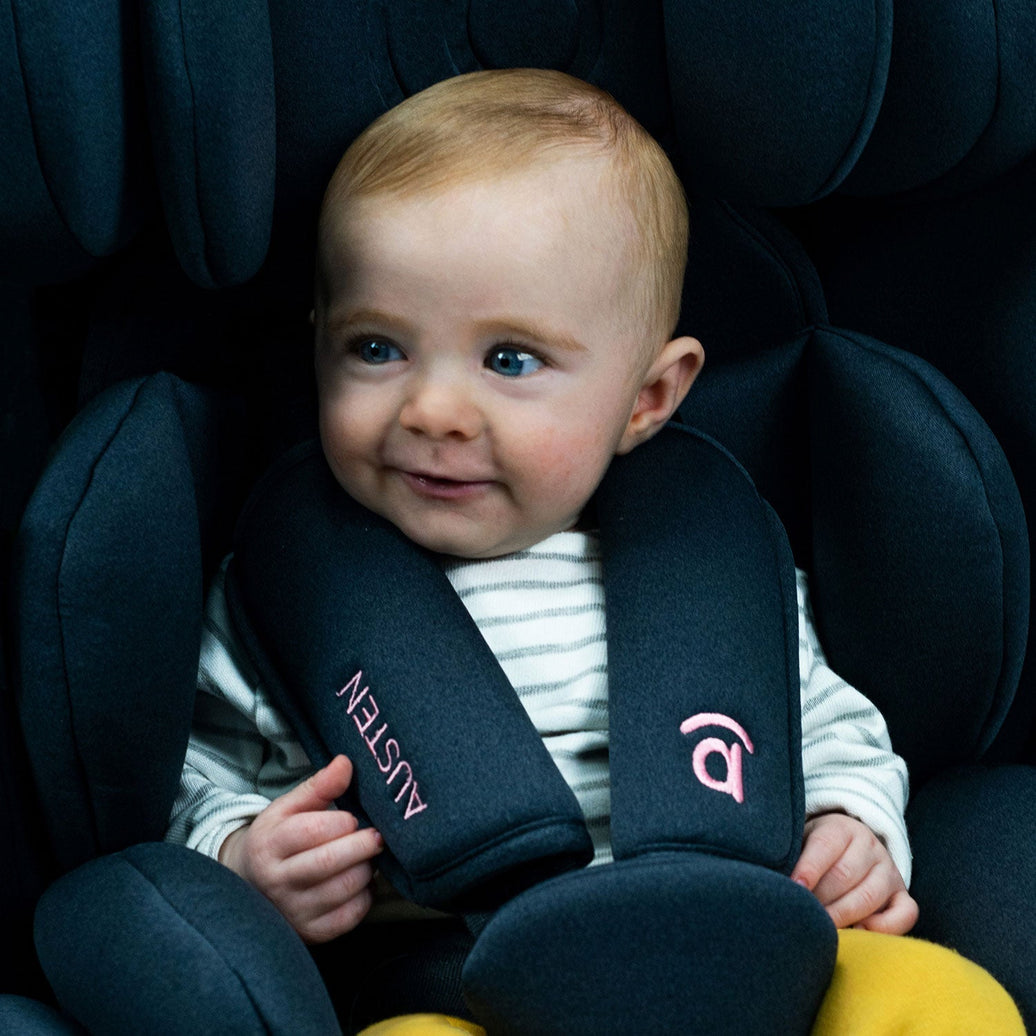
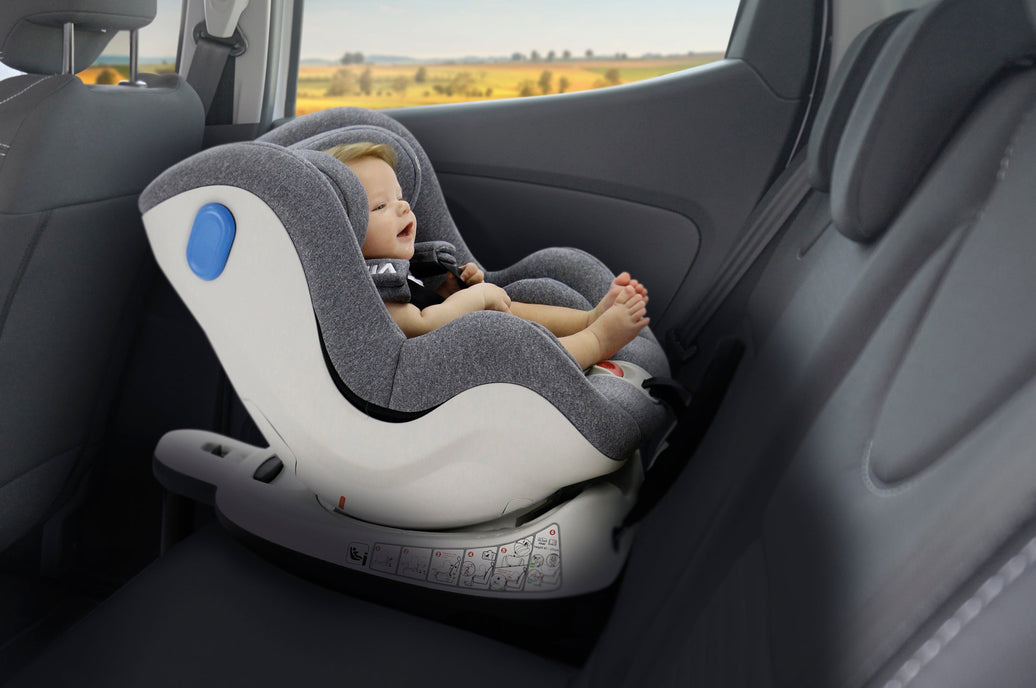
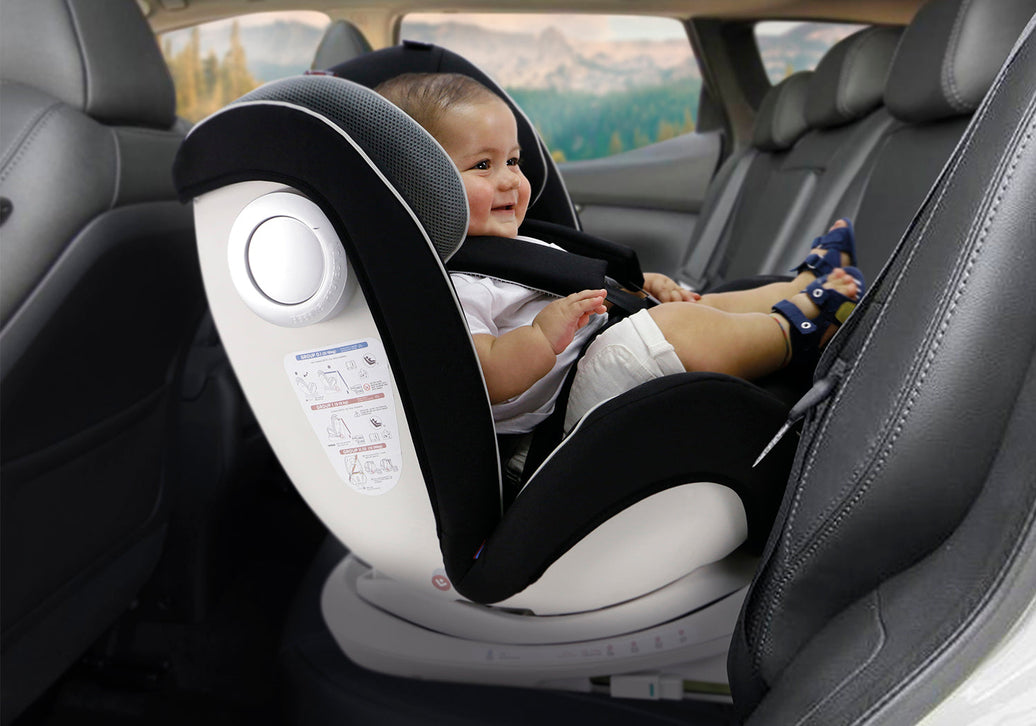
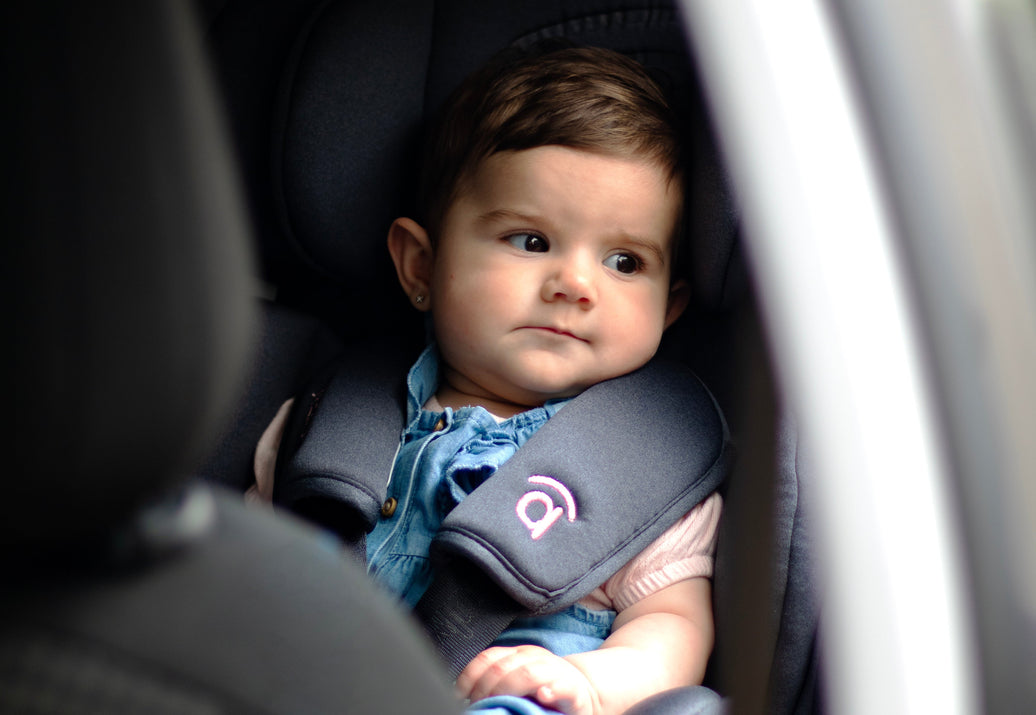
This phrase, which we wanted to highlight, summarizes everything we want to convey to you. If your child is also wearing a coat when he or she is in the car seat, the fit of the restraint systems is poor. This is valid whether your child is traveling rear-facing or forward-facing, it is valid whether your seat has isofix or not, and it is valid whether your child is restrained with harnesses or with the vehicle's own seat belt. We explain it to you: if your child is restrained with the harnesses of the chair itself, excess clothing means that these do not fit properly, and in the event of an accident they could open, fall or move towards the outside of the shoulders, leaving them without support and the child being able to be thrown out of the chair. Also in the event that the child is fastened with the seat belt, excess clothing is detrimental to safety because the child's ventral band, which should be above the pelvis, is above the belly, potentially causing abdominal injuries and damage to internal organs in the event of an accident. Also keep in mind that many of the fabrics used as coats are liquid repellent and made with slippery materials, significantly increasing the problem. All the elements that you place between the child's body and the restraint system make the adjustment inappropriate and therefore the function they have, which is none other than SUPPORTING, is not fulfilled.

It is the same reasoning that we try to convey to those parents who, for fear of tightening the harnesses too much, are putting their child's life in danger: if the harness does not hold the child well and is too loose, what is it for? Returning to the use of coats in child restraint systems, you may be thinking that it is also dangerous for the child to get cold. Of course, you are right, but to avoid it there are solutions and they depend on you, but SAFETY on the road does not depend only on you, but on other drivers and other circumstances.
- Almost all vehicles have a heating system. We know that gasoline and diesel are expensive, and consumption increases, but it is preferable that you air condition the car a few minutes before getting into the car so that the temperature and humidity inside are adequate and you can do without coats.
- If you put your child in the car, you are in a hurry, something very normal in the fast-paced society in which we live, and you have not been able to warm up the car a little in advance, take off his coat and put it over him: the coat is warm inside due to the heat given off by your child, and he will hardly notice the difference while the car heats up.
- Always have a blanket on hand in the car, which you can put over them, their legs or all over their body. A blanket is a very efficient way to provide warmth, in an economical and simple way, warm for the baby because there are very very pleasant materials and fabrics, without subtracting an iota of security for your baby.
- There are ways for your baby to travel warm without wearing a thick coat: use a thermal shirt, some thin fleece... very warm fabrics but they do not pose the problem that the thick fabrics of most coats give you.
- We take this opportunity to remind you that you should not travel with your coat on either. If you are going as a passenger you should not carry it, but even less so if you are going as a driver, because to the problems that we have already indicated, you add one more, and that is less mobility and ability to maneuver. So you can get rid of your own coat before starting the car, and you can use it as an external coat for him. Remember to remove keys, cell phones and other objects from your pockets, which could be thrown away in the event of an impact.
- In the short distances, where it is more common to let your guard down, you should also take all of the above into account. On short distances you may think that it is not worth undressing your little one, and we can even understand you, because it only takes a few minutes. But remember that the incidence of accidents on urban sections is higher than on interurban sections, on highways. Neither to travel 3 minutes, nor to travel 1 hour, your little one should travel with the coat
We hope that now you understand the reason for the title of this post. Whether your child always travels safely, in summer or winter, depends mainly on you. It is not enough to choose a good chair but also to make good use of it. At ASALVO we are always happy to help you, and even more so if we talk about SECURITY.