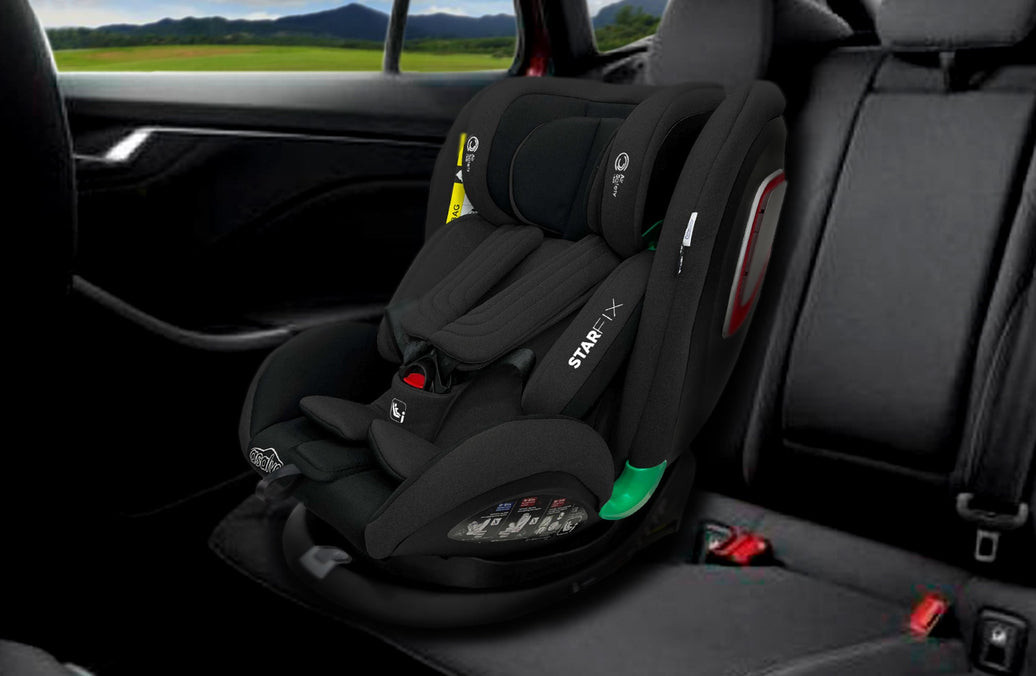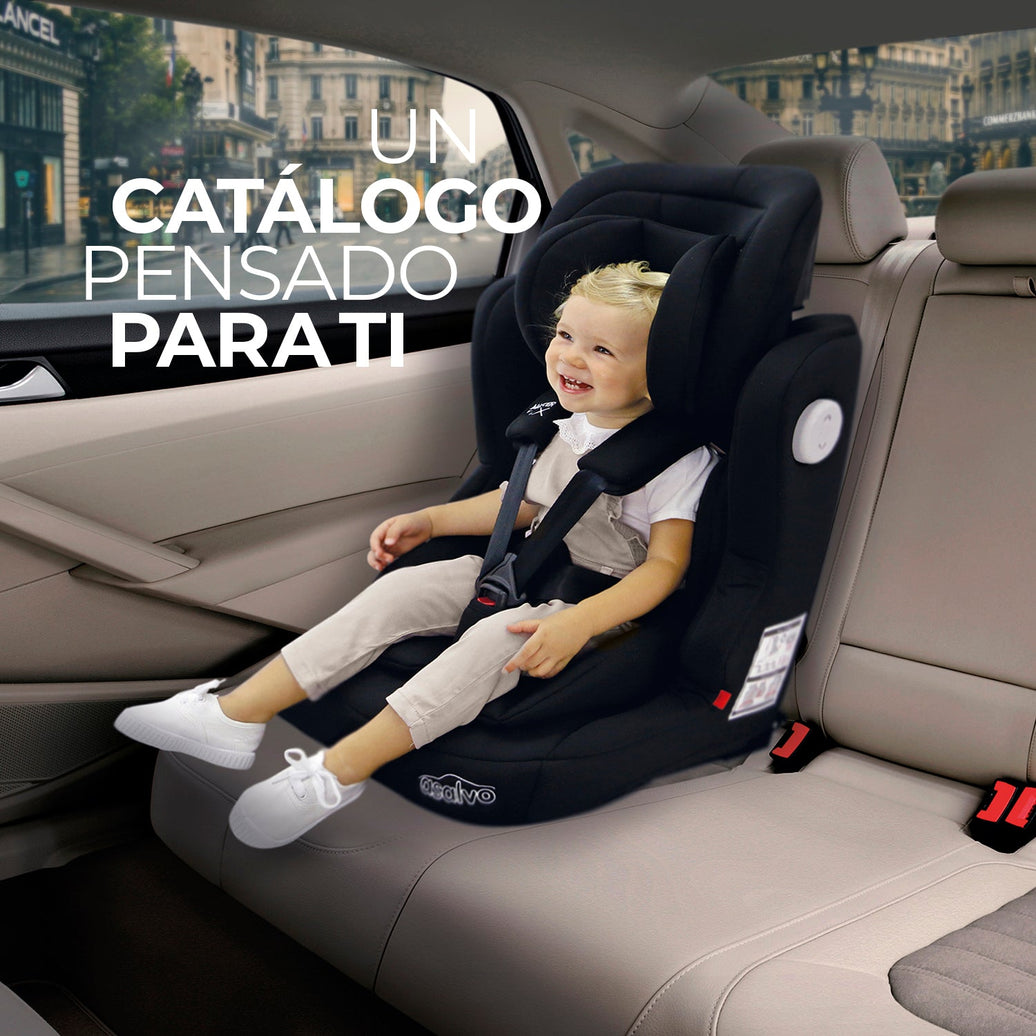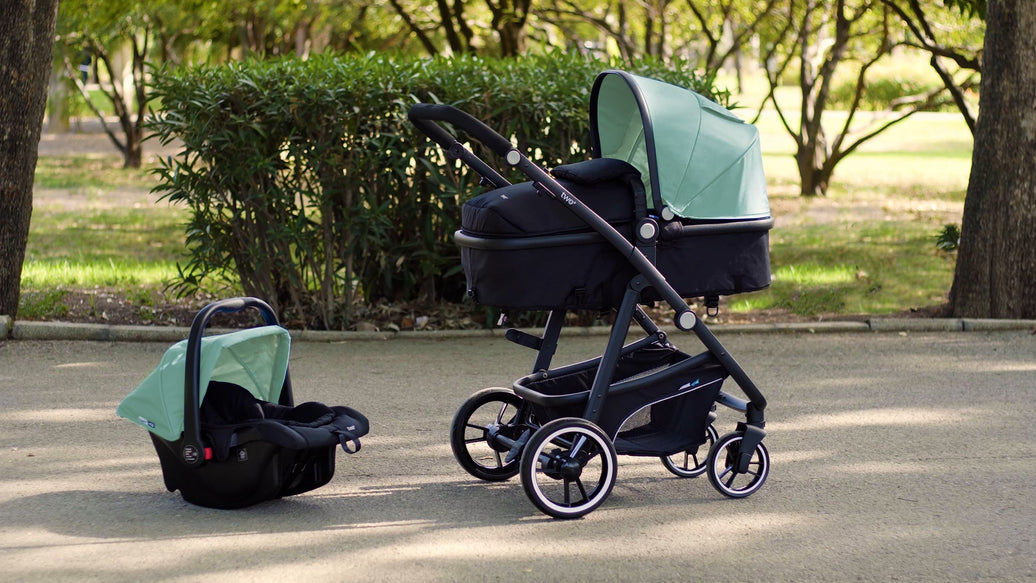
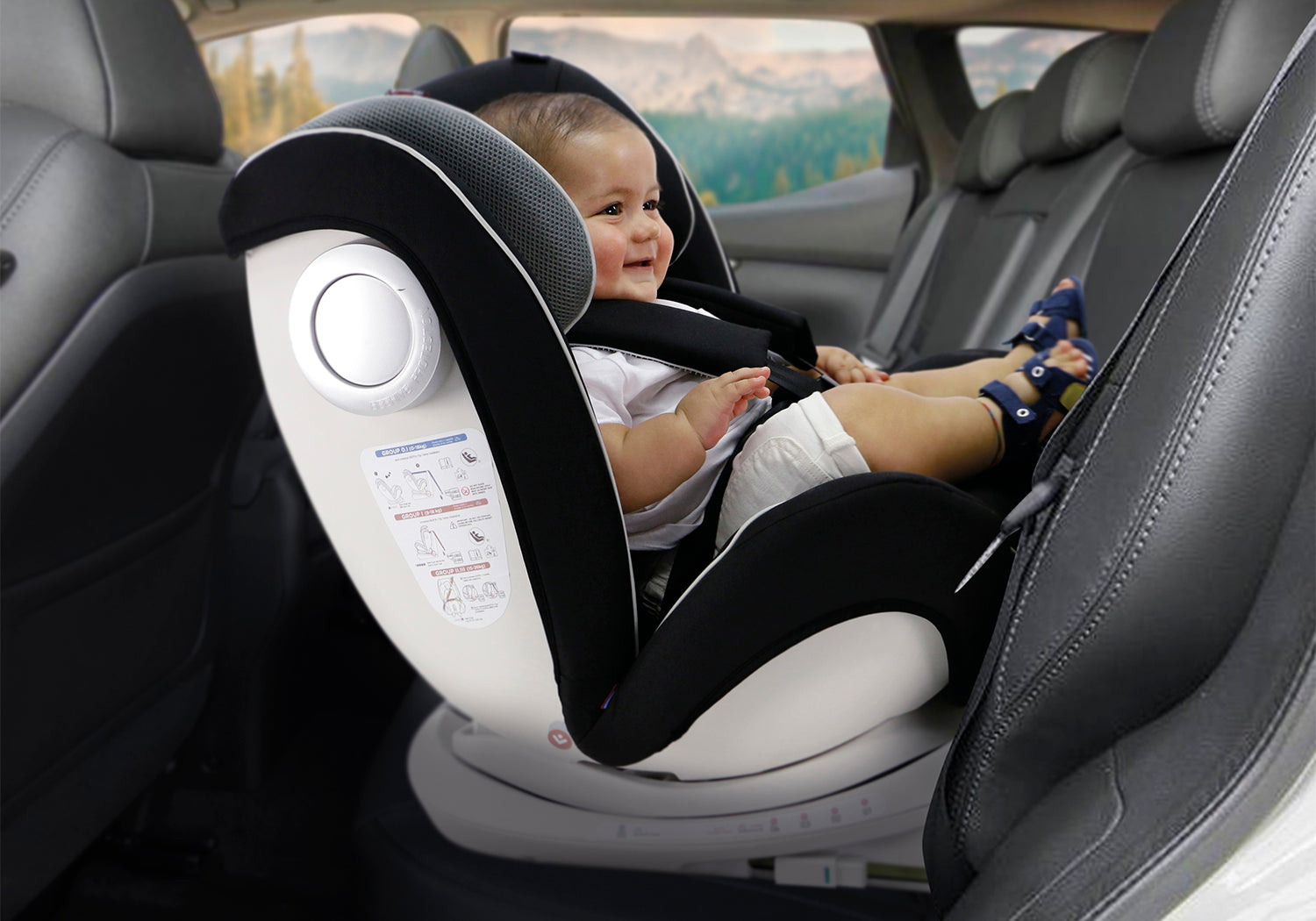

If we did a survey of all our customer stores about which baby items generate the most doubts and questions, we are sure that car seats, car seats or also called child restraint systems (CRS) would top the list. In this blog, in which we have wanted to help you since it began, we are going to try to resolve some of those doubts, which are most likely the ones you have too.
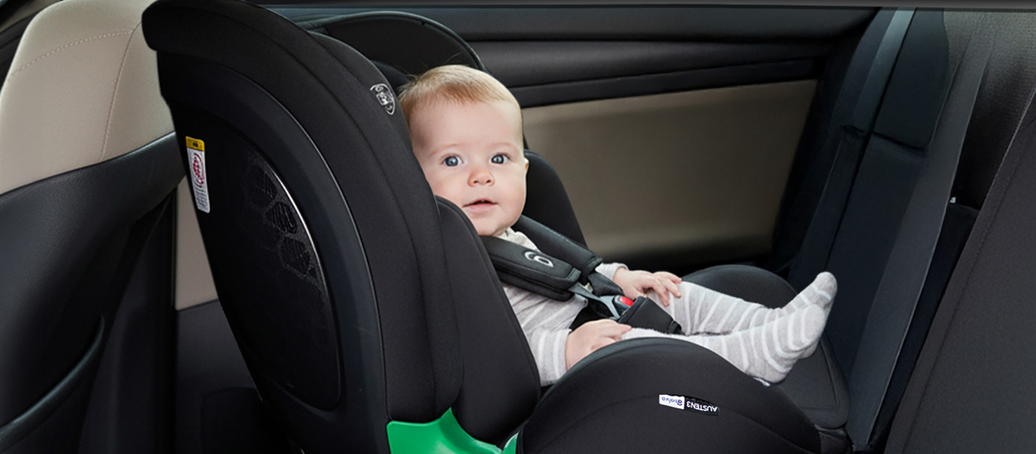
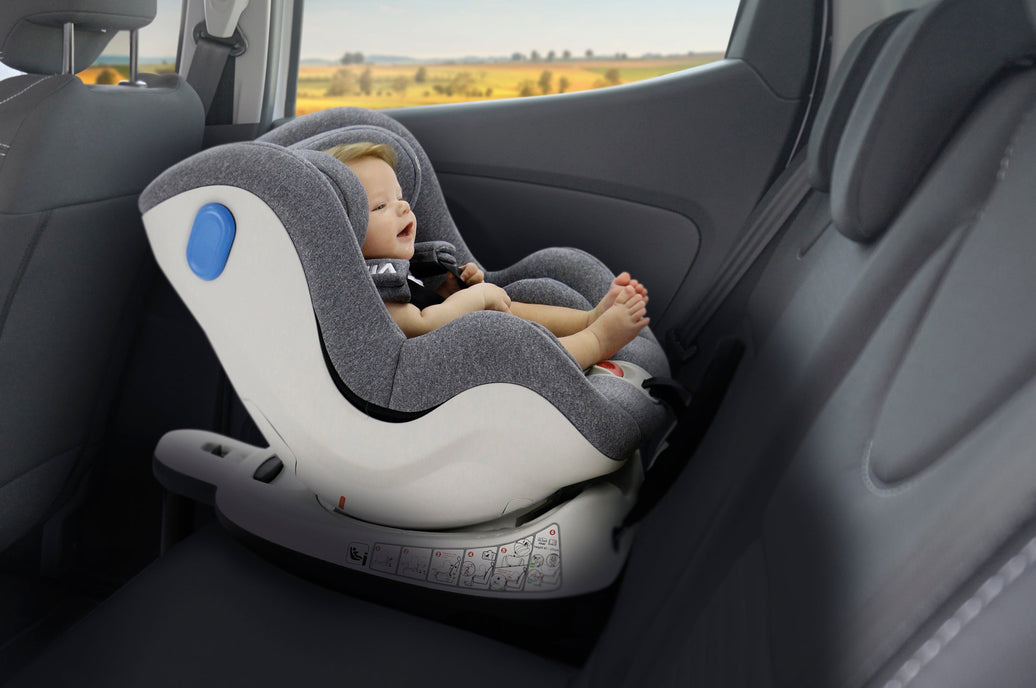
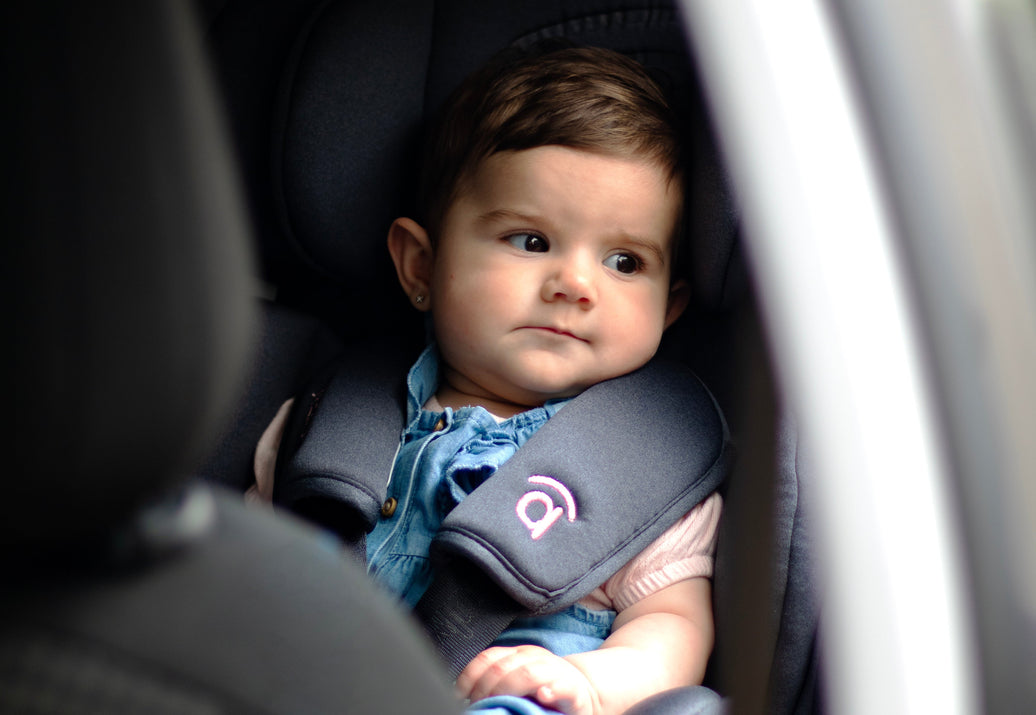
Today we are going to insist on the importance of children going rear-facing, that is, in the opposite direction to the movement of the vehicle. It is very common for new moms and dads to ask in stores up to what age a child has to be forced to sit rear-facing. We will tell you that A CHILD SHOULD GO IN REAR FRONT AS LONG AS POSSIBLE. This answer is open and does not seem to resolve the question, but it is reality. It is more than proven, and there is no doubt about it from a scientific, technical, medical or road safety point of view: a child is more protected in the event of an impact if he or she is rear-facing and not facing forward. This is what experience and the dozens of studies carried out in different countries tell us, and something else is what the existing regulations or legal framework for CRS says or establishes.
Before telling you what the current regulations say in relation to rear-facing, we are going to remind you of the legal framework that includes matters related to CRS. The most recent version of the General Traffic Regulations regarding the use of CRS is the update of Royal Decree 667/2015, of July 17, 2015. The Regulation, in its article 117, establishes the mandatory use of an approved CRS by minors whose height is equal to or less than 135 cm in vehicles with less than 9 seats (passenger cars). In this sense there is no specification on the use of CRS in rear-facing. The key is in the regulations with which the CRS or car seat has been approved.

Currently there are two different regulations for the approval of CRS or so that you understand us without so many legal terms: all the car seats that you can use must be approved with one of the two current regulations. The oldest and with which until very recently manufacturers could continue homologating its CRS is the well-known ECE R44, and the most recent is the UN R129 standard (also known as i-Size), a more demanding regulation, more appropriate to current ways of life and more universal in terms of compatibility of the CRS with different vehicles. On other occasions we have already indicated to you the fundamental differences between both regulations, and since today we want to emphasize the importance of counter-moving, we are going to focus only on this difference. The R44 standard establishes the mandatory nature of rear facing at 9 kg, which is undoubtedly a very very low body limit for the child. When the I-size regulations were introduced, this obligation was established at 15 months, which is undoubtedly more than 9 kg, but still insufficient if we take into account the numerous studies that strongly recommend a longer mandatory time for rear-facing.
We have already summarized the most significant things in relation to the regulations and the countermeasure. But remember that on this blog we are somewhat annoying and insistent, and if we always tell you that our priority is you and your baby, when we talk about safety, even more so. Therefore, this obligation seems not enough to us, and we will tell you for the umpteenth time to try to make your little one travel rear-facing as long as possible, at least up to 18 kg, 105 cm, which is approximately 4 years.
Why are we so insistent on this point? Because we are convinced that rear restraint saves lives and reduces the importance of injuries to children in cases of collisions. The proportion between the head and body of a child is greater when compared to an adult. Not only is the head proportionally larger, but the muscles that make up the neck are weaker and the upper vertebrae are not yet developed. In the event of a frontal impact, if the child is traveling rear-facing, the force on the head, neck and back is significantly less because there is a distribution and distribution of it: it is distributed along the largest surface of the back, not focusing on the neck area, reducing the importance of hyperflexion of the cervical vertebrae, or whiplash.

Having your child travel rear-facing is much safer: do not put forward criteria such as that the child gets dizzy if traveling rear-facing, that the child is bored if traveling rear-facing, that the child does not see anything if traveling rear-facing, or even that the child does not fit if traveling rear-facing. This last reason may be the most understandable in some cases, but remember that safety is more important than comfort. But a child can also travel perfectly comfortably rear-facing with his legs crossed. Isn't this posture what many children adopt when they play on the floor?
And since we are talking about safety, we want to give you one last reminder: car seats approved with standards R44/01 and R44/02 are prohibited and their use is not legal. R44/03, R44/04 or R129 (or I-size) must appear on the label. If you have any questions, always put yourself in the hands of professionals in the sector, who will resolve your doubts. That's why we are here: to help you and make your security doubts no longer so.