
As you know, for the team that makes up ASALVO, interaction with our clients from all over the world is very important. That is why we have different channels enabled that allow you to contact us to make suggestions, give us opinions and, above all, ask us questions about the use and functions of our products.
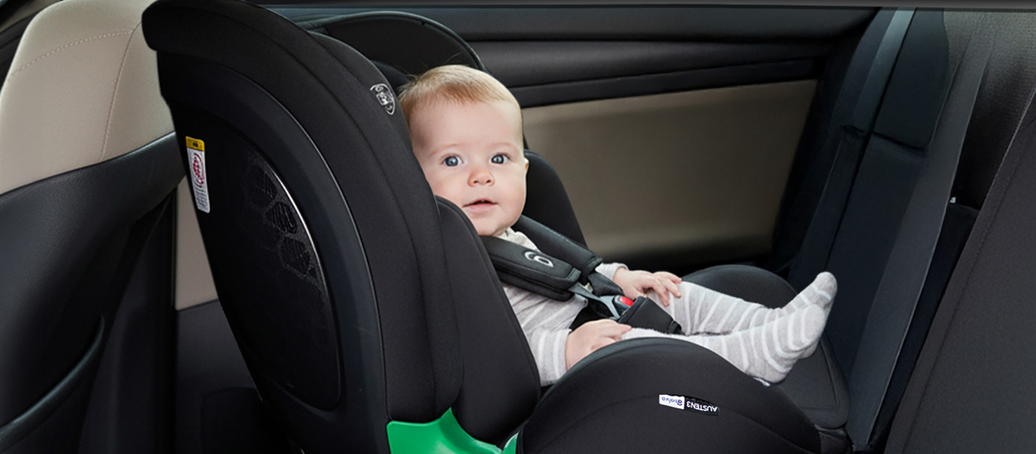
Of the thousand things that a child uses in the first years of life, the car seat is without a doubt, and we will not tire of repeating it to you, the most important of them. As safety matters more and more, dads and moms of all ages, socioeconomic status and family models are aware of the importance of car seats, and that is why we also receive emails or calls more frequently in which you ask us questions about car seats. Today in this post, we want to refer to an important issue that appears recurrently in your queries: the use of reducers.
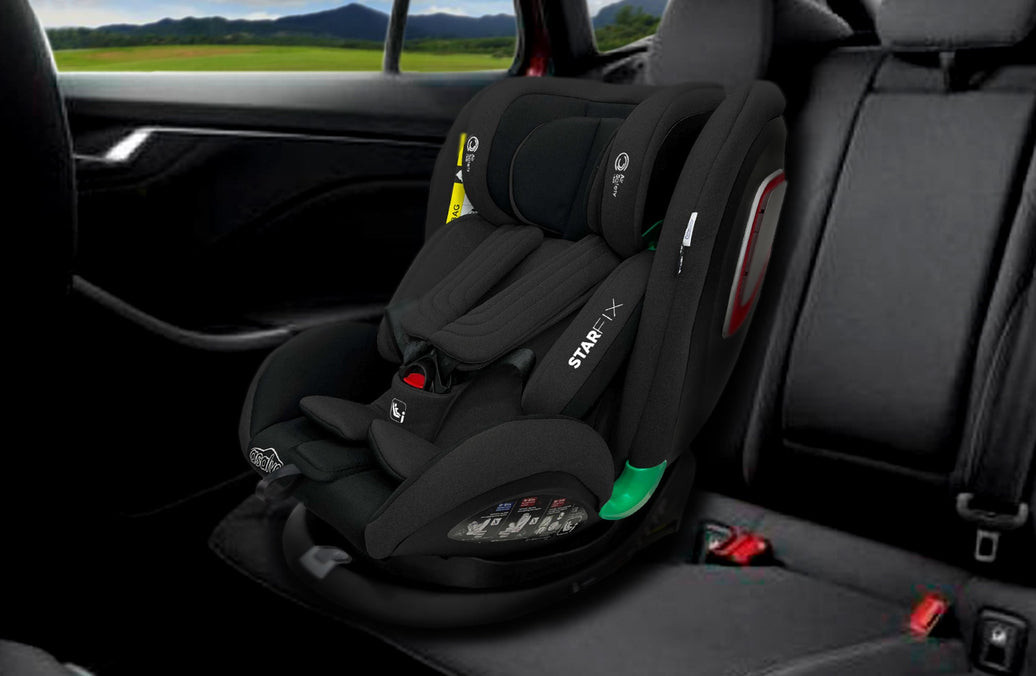
First of all, you should know that when you buy a car seat, whether it is evolutionary or not, the manufacturer of the seat in its instructions explains how to install the seat, but it does not indicate precisely when to remove the different removable elements that allow the child to be correctly positioned and protected: reducing cushions, cervical protections, interior wedges, head cushion, etc. The installation of the chair must be done strictly following what the manufacturer indicates, but the instructions regarding reducers should always be understood as a guide. The different guidelines that car seat manufacturers set are just that, guidelines or recommendations that may work well for some children, but not for others.

It is evident that the first factor that influences the use of reducers is the size of the child. Not all children of the same age have the same anatomical and morphological characteristics, the same bodies: in the same car seat model, two children of the same age may need different reducers. It is the first thing you should keep in mind when using the car seat: think that your baby is unique, in every way as a mother in love with your baby that you will be, and that what friends or family do when using their car seats does not have to be valid for him. We are very repetitive and insistent with this because it is a question that you ask us almost daily and many times you do so by comparing your baby with babies from your surroundings.
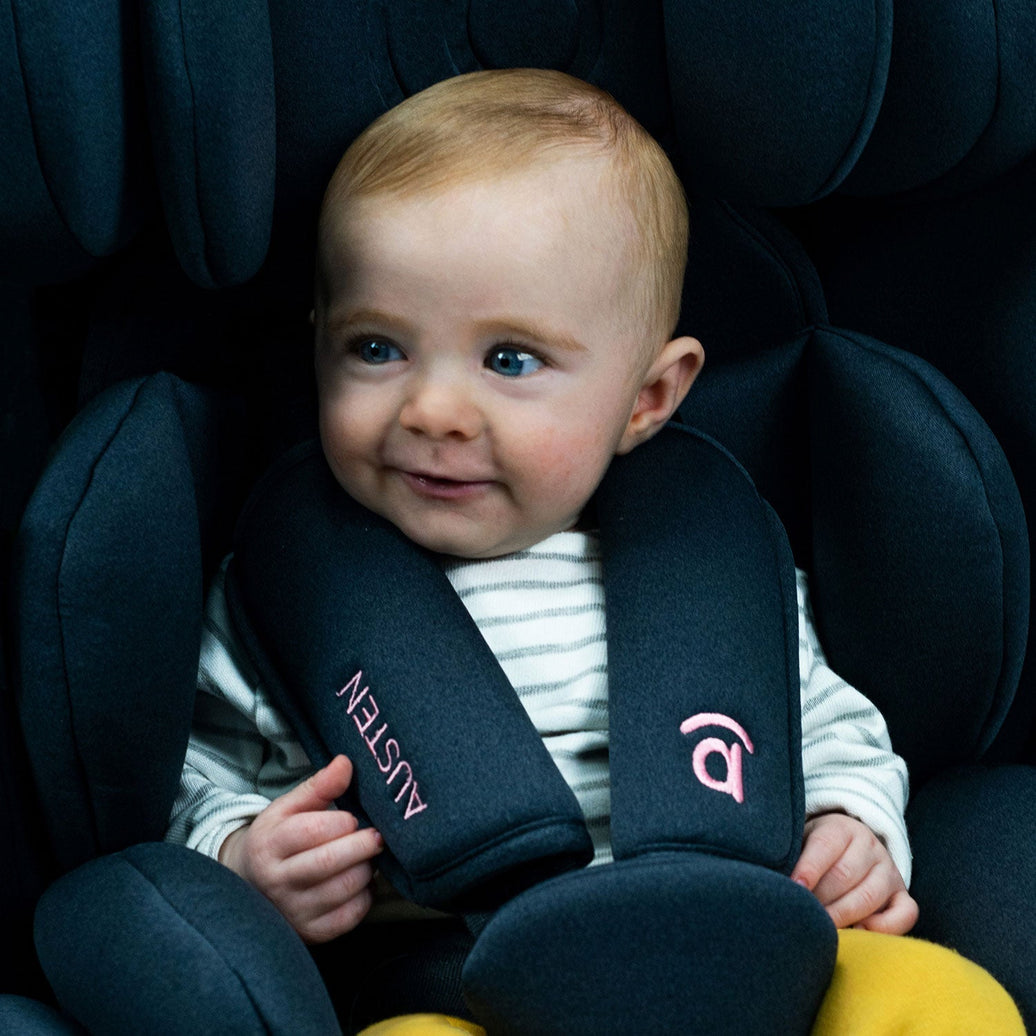
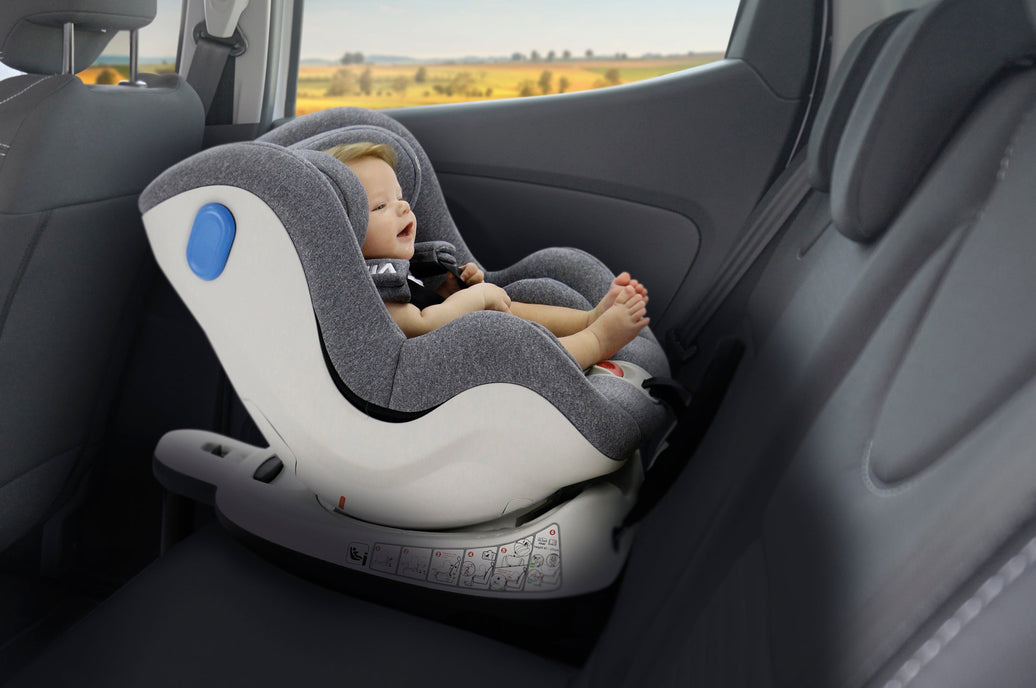
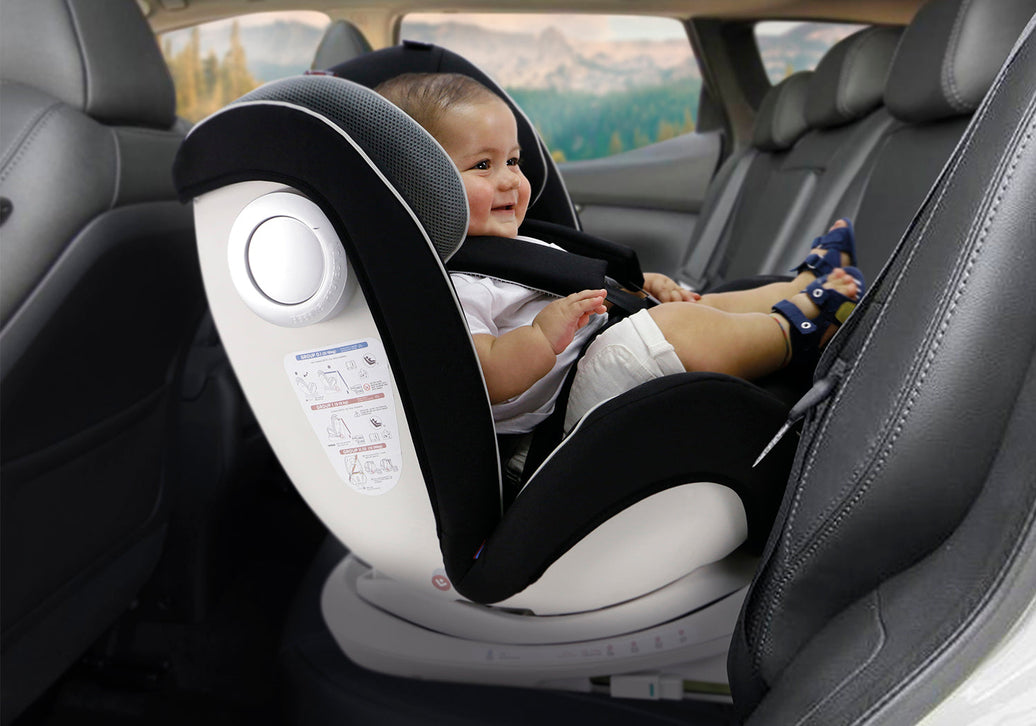
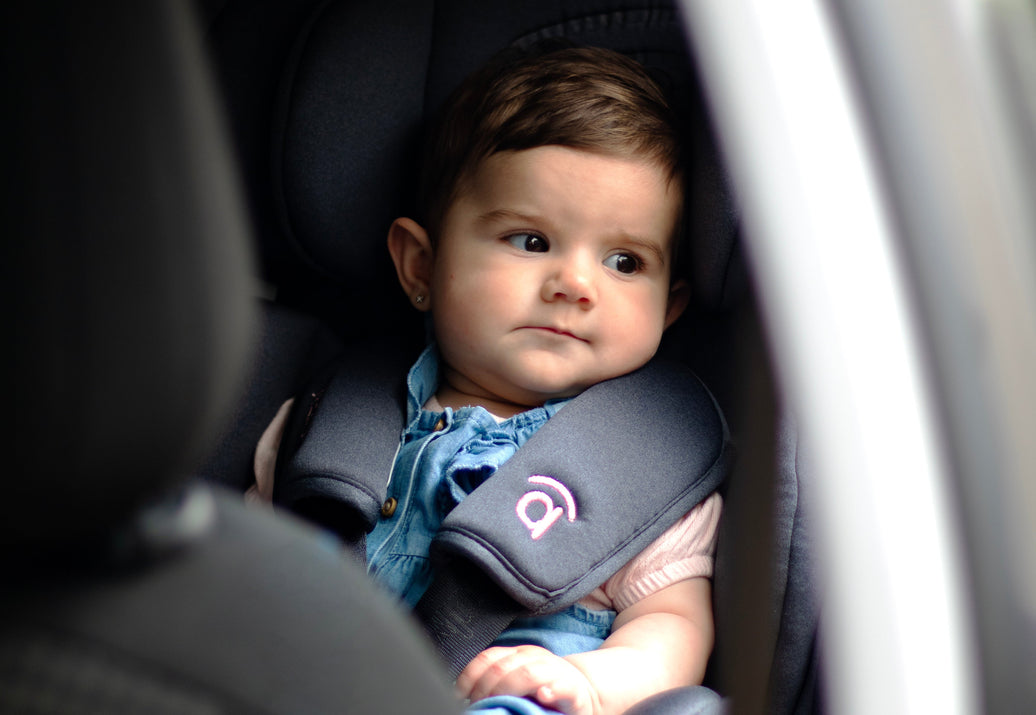
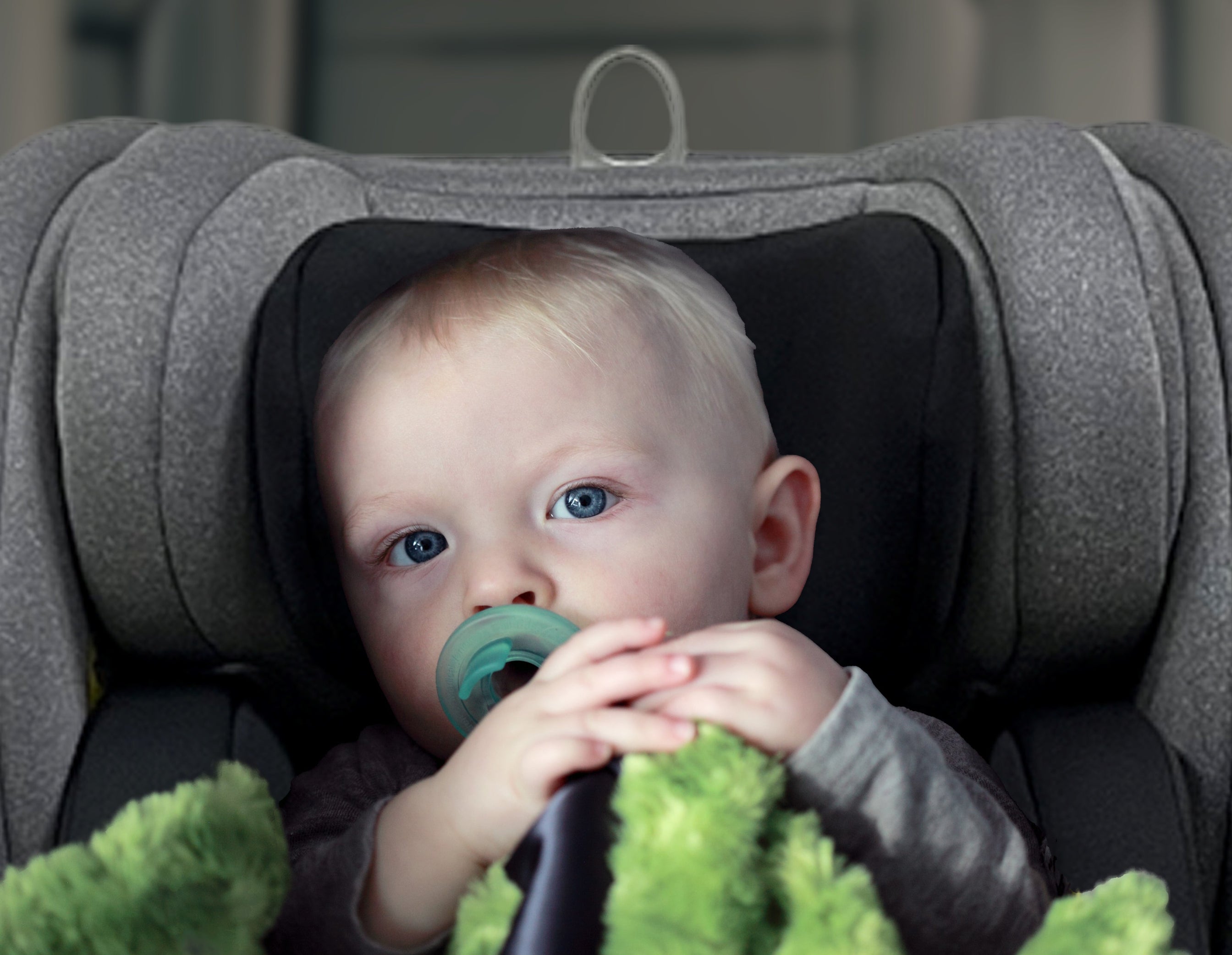
The function of a reducer is to adjust your baby's body to the car seat, to the child restraint system (CRS) that you have chosen for him. When a baby travels in his or her car seat, he or she cannot carry excess or defect reducers. Until the child weighs 18 kg or is 105 cm tall, he or she will be attached to the seat using the 5-point harness system, and for these to do their job they must be adjusted. We observe in some photos that our clients send us so that we can resolve their doubts, that the harnesses are not tight enough to catch the child in the event of an impact. This is because many parents are afraid to tighten the harnesses in case they hurt the baby. It is not about harming the child but about protecting him: a loose harness does not fulfill its function. One of the functions of the reducers is precisely that: to fill the gaps so that the harnesses, especially in the first weeks and months of life, do not loose.
The reducers also have a function related to the height of the harnesses. On another occasion we will emphasize the ideal height of the harnesses, but today we want to tell you that the car seat reducers also help to ensure that the harnesses are neither excessively low, making it difficult to fasten, nor excessively high, causing them to be loose and the child can fall out in the event of an impact. Sometimes raising or lowering a headrest by 2-3 cm and making correct use of the reducers, allow a correct position and height of the harnesses, significantly increasing your baby's safety in the car.

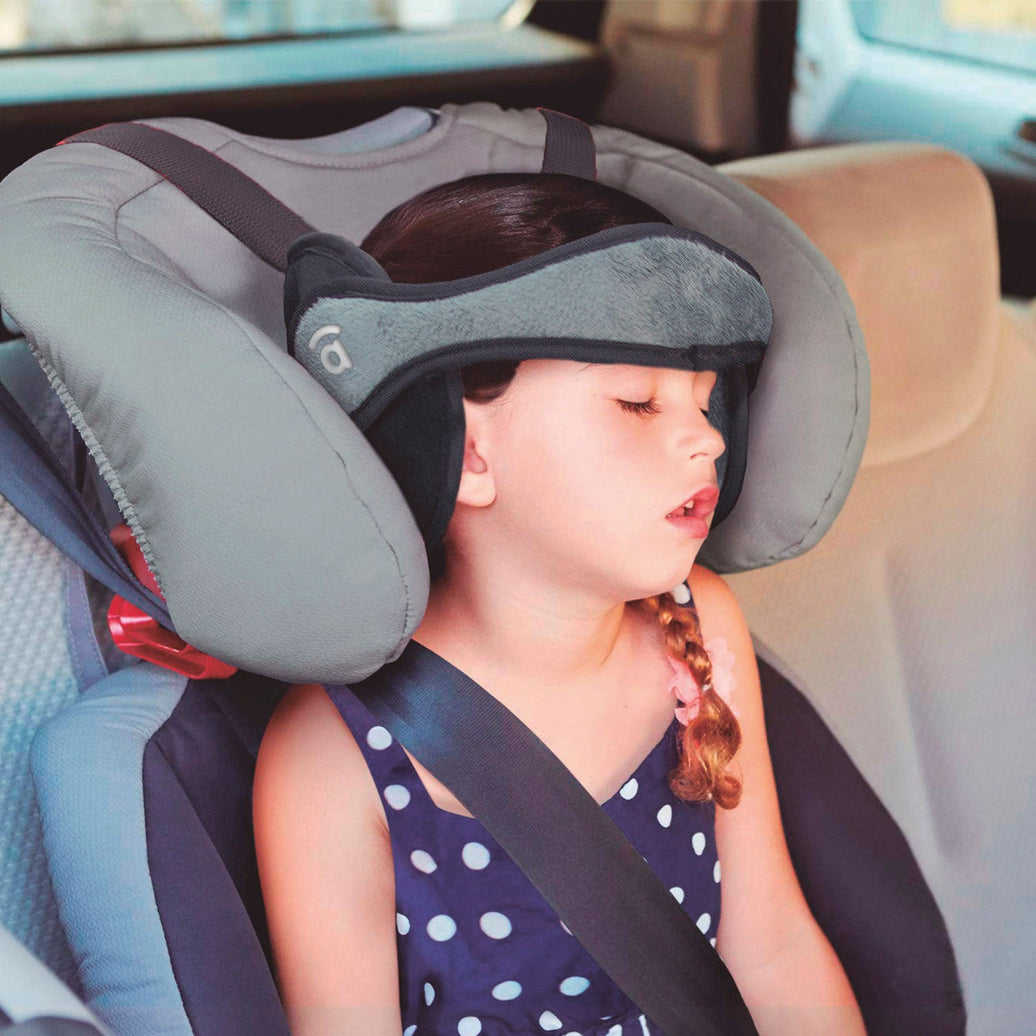
It is especially important that you pay attention to the reducers that are located in the head area. The use of these reducers is a very normal doubt for parents: as in everything that has to do with safety, common sense applies and remembers that a baby must be protected throughout its body, but appropriate protection of the neck, head and cervical area as a whole is essential. A poor choice of a headgear can have serious consequences. Removing this reducer hastily causes the head to have excessive movement; And it may also happen that a reducer that is too bulky or soft, although it gives a feeling of comfort, pushes the child's head excessively forward, causing that effect that is so unpleasant and worrying for many parents: the head tilting forward, without support.
Therefore, if reducers and wedges are removed early, thinking that the child will be a little more comfortable and less boxed and overwhelmed in this way, we are making a serious mistake that would prevent the harnesses from securing the child to the CRS, greatly increasing the chances of escape. If the child is large enough for you to remove the reducers, leaving the harnesses in good condition in terms of looseness and position, you can do so.
We take advantage of this post in which we talk to you about safety again to remind you of a maxim that you should always keep in mind: LET YOUR CHILD TRAVEL IN REAR FRONT FOR AS LONG AS POSSIBLE. At Asalvo we are always willing to help you and answer your questions, especially if they are related to SECURITY.