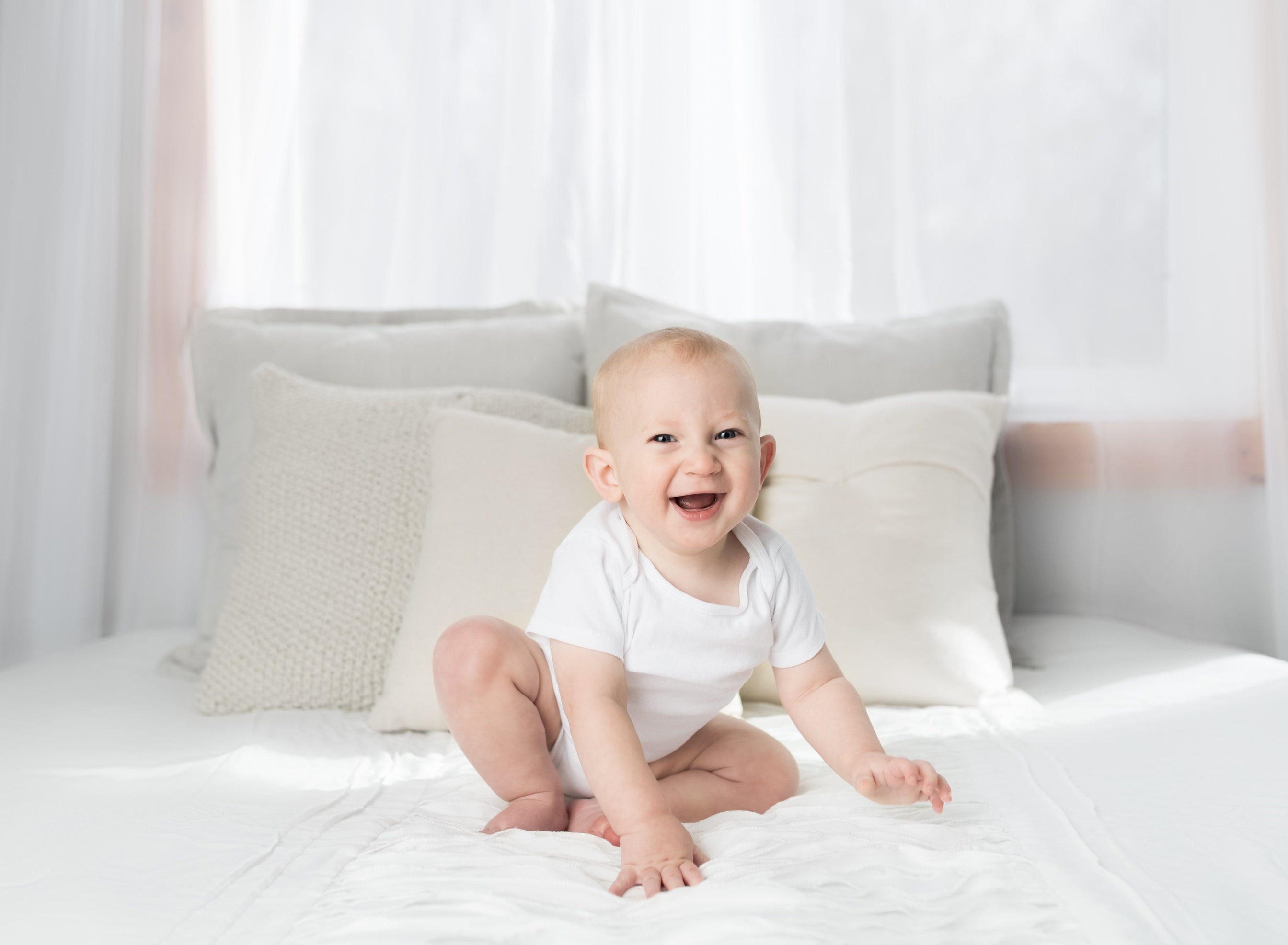

It may sound strange to us, but at the beginning of our development one of our first great achievements is learning to sit. While lying down for most of the beginning of our lives, the transition to sitting up shows your baby a whole new world to explore. Do you want to know more about it? Keep reading to find out more.
Baby development: the path to sitting
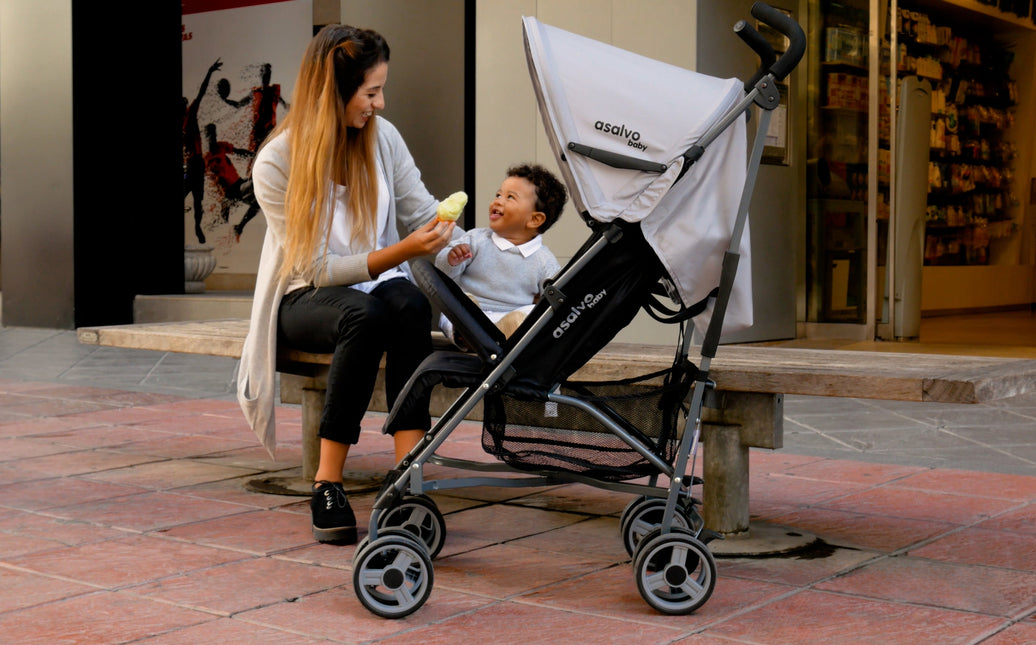
The size and weight of the head alone make sitting a real test of balance for a baby under one year old. It is not until eight months that nine out of ten children begin to put themselves in a sitting position to, for example, play safely.
Progression to a safe and independent sitting position
At four months, when the baby can already try to get out of the prone position to move into a mini push-up, the foundations are laid so that he can sit up later. At this time the muscles of the back and neck are trained, so that they are sufficiently reinforced for when the baby sits up.
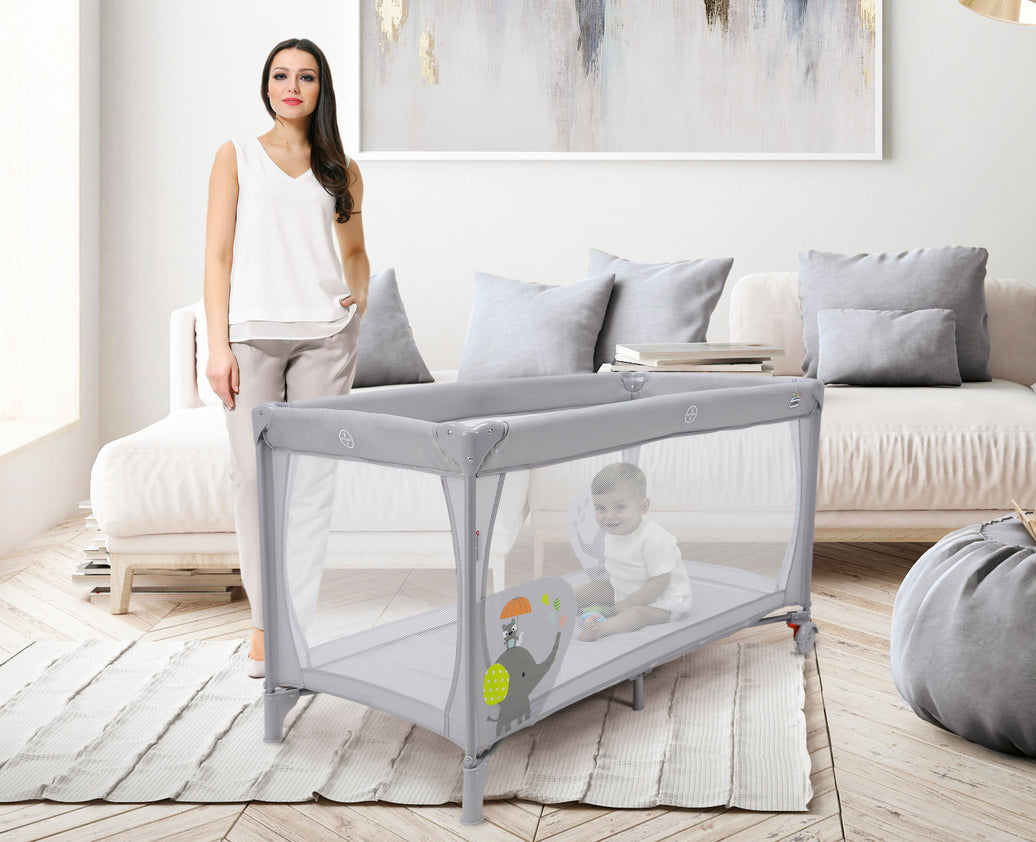
Only after six months will he be able to sit unassisted for a short moment. To avoid painful falls, with the first attempts we recommend that you stick to his side or surround him with cushions to cushion the fall. Pediatricians and orthopedists advise against sitting the child repeatedly and, to promote healthy back development, they recommend waiting for the baby to sit up on his or her own.
This healthy development of the back is very important for the child to sit, crawl and walk. You can help it, for example, by doing the following:
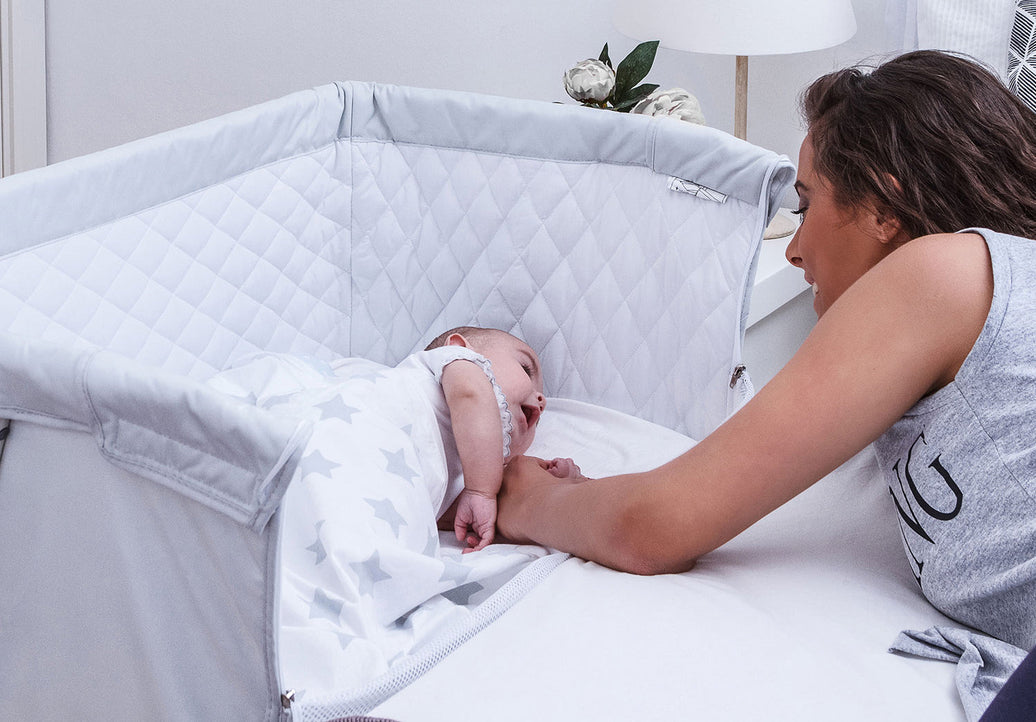
- Put the baby to sleep without a pillow.
- Carry him in the baby carrier (or without it) with his back in the correct position, that is, allowing the natural curvature of the back and supporting the head well during the first six months.
- When carrying it, try to always place it in the frog position during the first months.
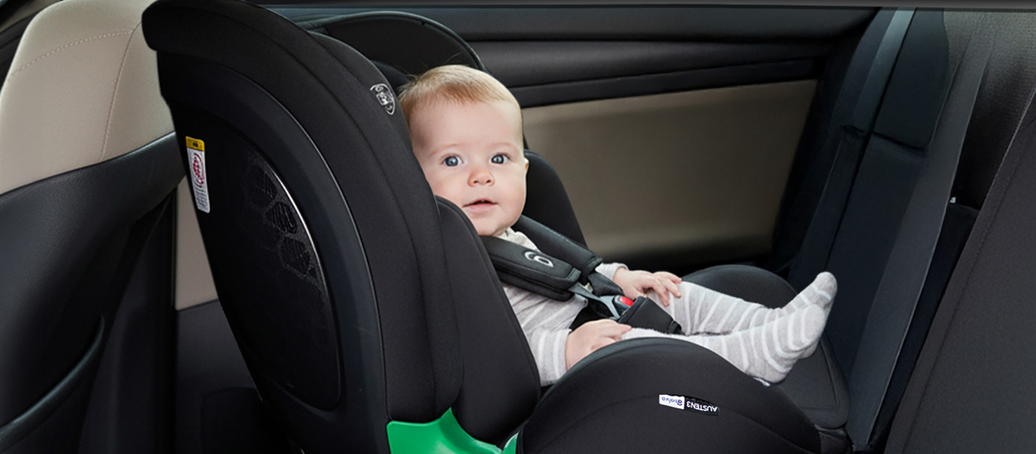
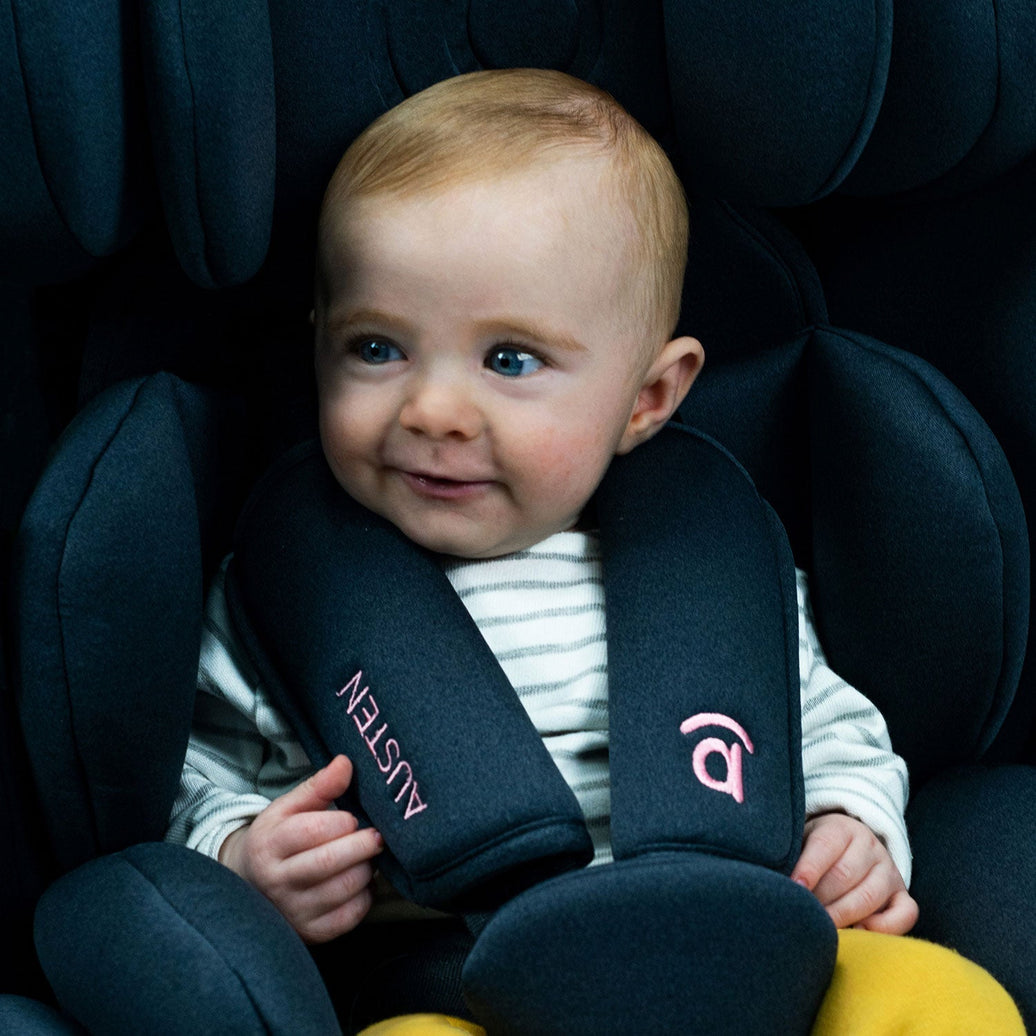
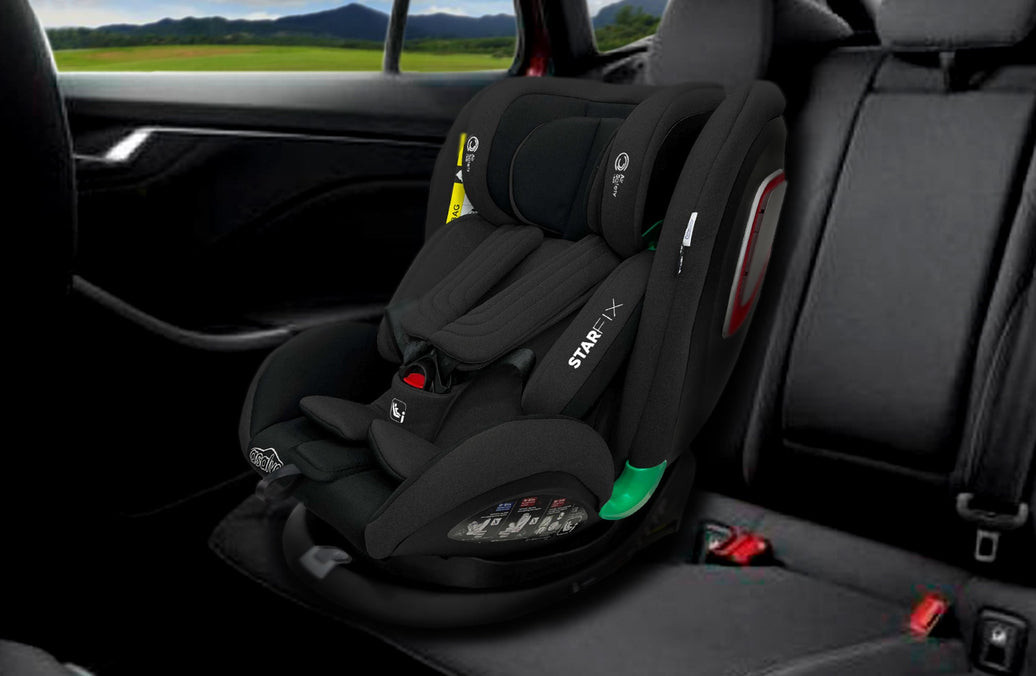
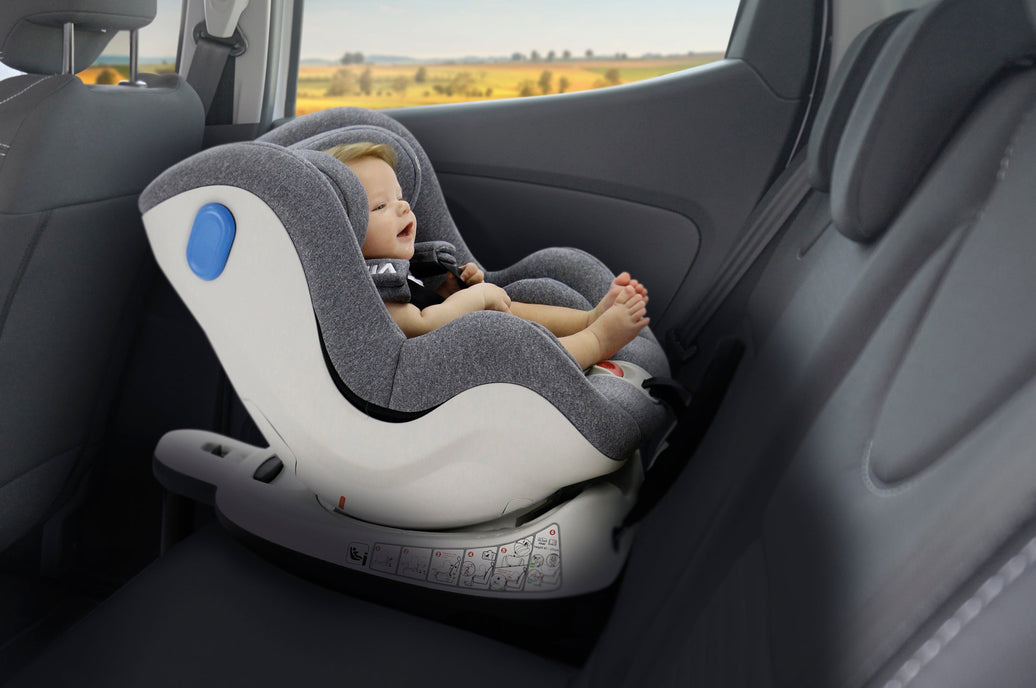
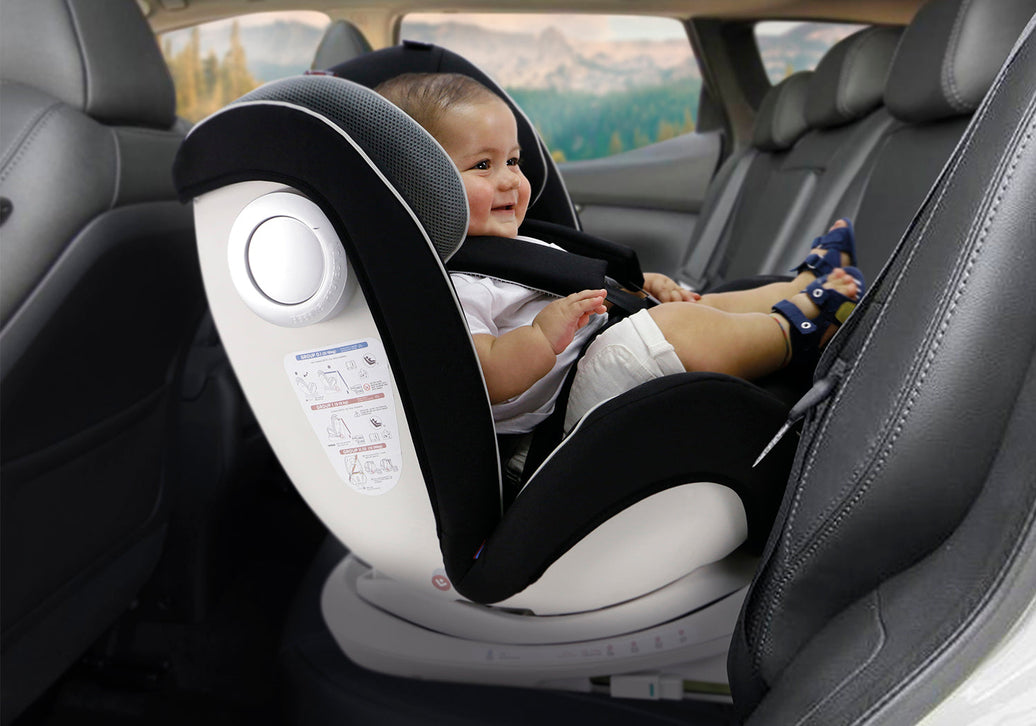
- Use the seat only for the car, as the curvature of the back in the car seat is often contrary to the natural posture.
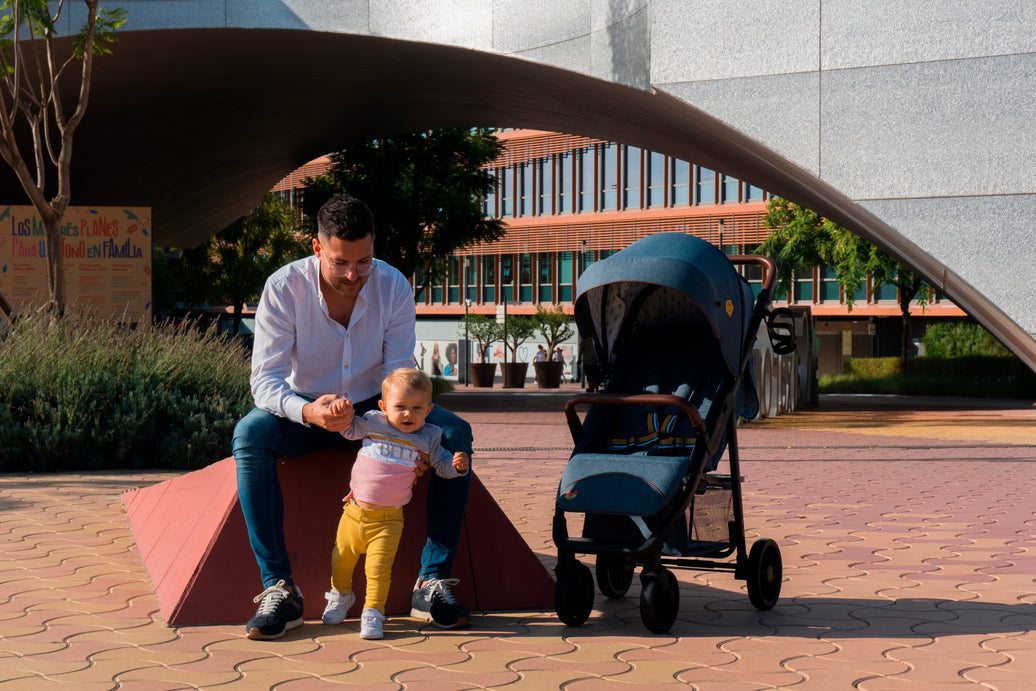
Many babies start crawling as soon as they can sit up on their own. They do this by dropping forward with their hands and placing their knees on the ground. With proper balance and coordination, they move forward first slowly and then increasingly faster. Some have a hard time getting to a sitting position from an upright position.
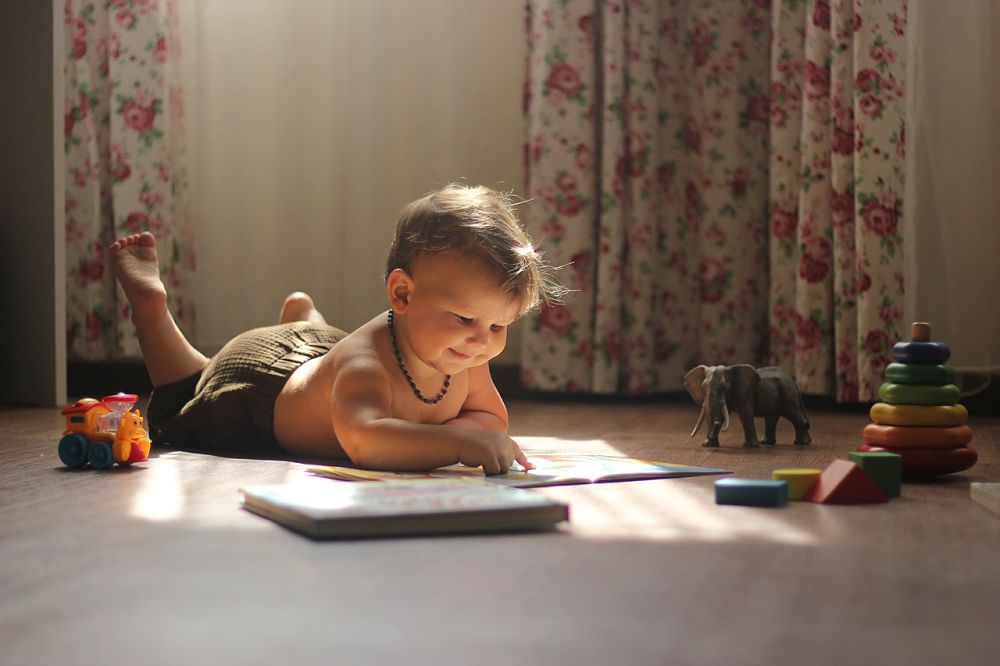
For many babies, sitting is one of the most complex actions they can do with their still small body. To encourage your child to reach a sitting position, place him on his tummy. This strengthens the muscles in the neck, which is essential for you to sit safely. Never leave it unattended.

Eating and sitting: are they related?
The question of when a baby can and wants to eat his first solid food is completely individual, like many other stages of development. In addition to being interested in what mom and dad are going to eat, the ability to sit can also help find the right time to start solid foods.
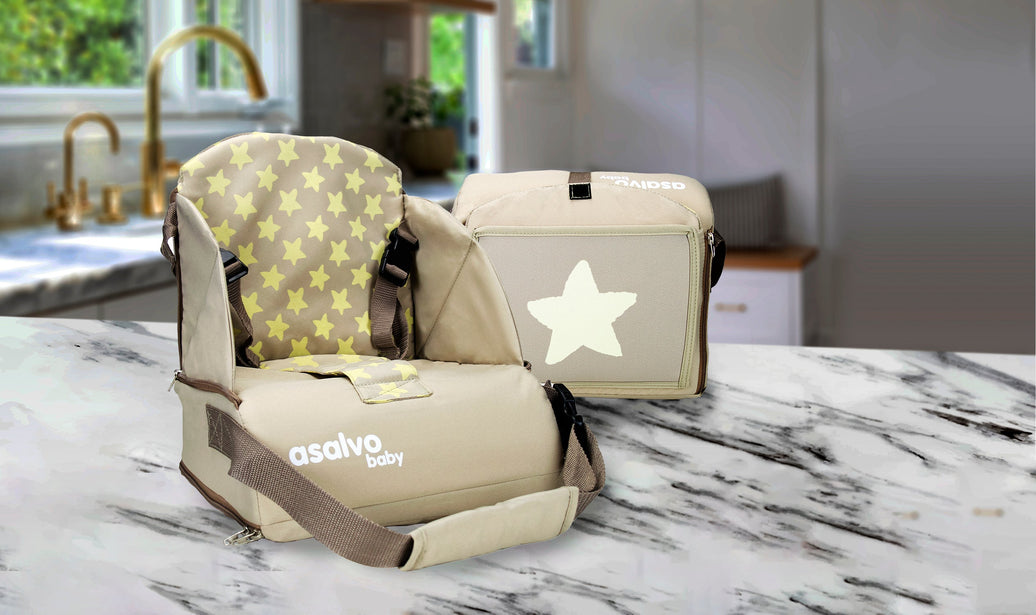
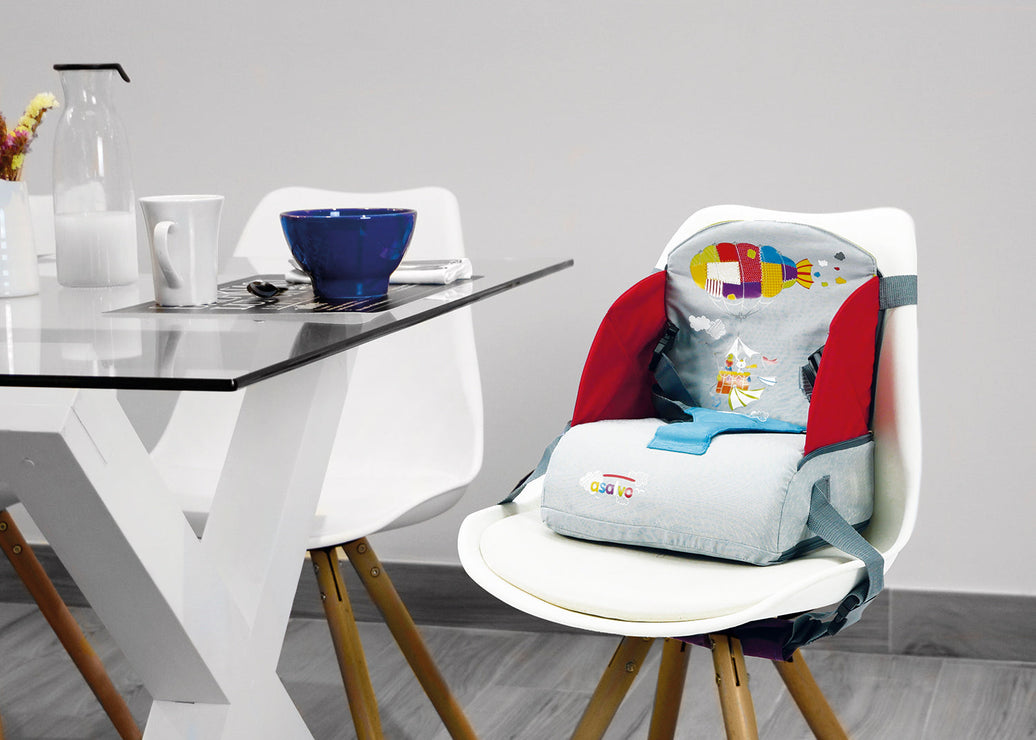
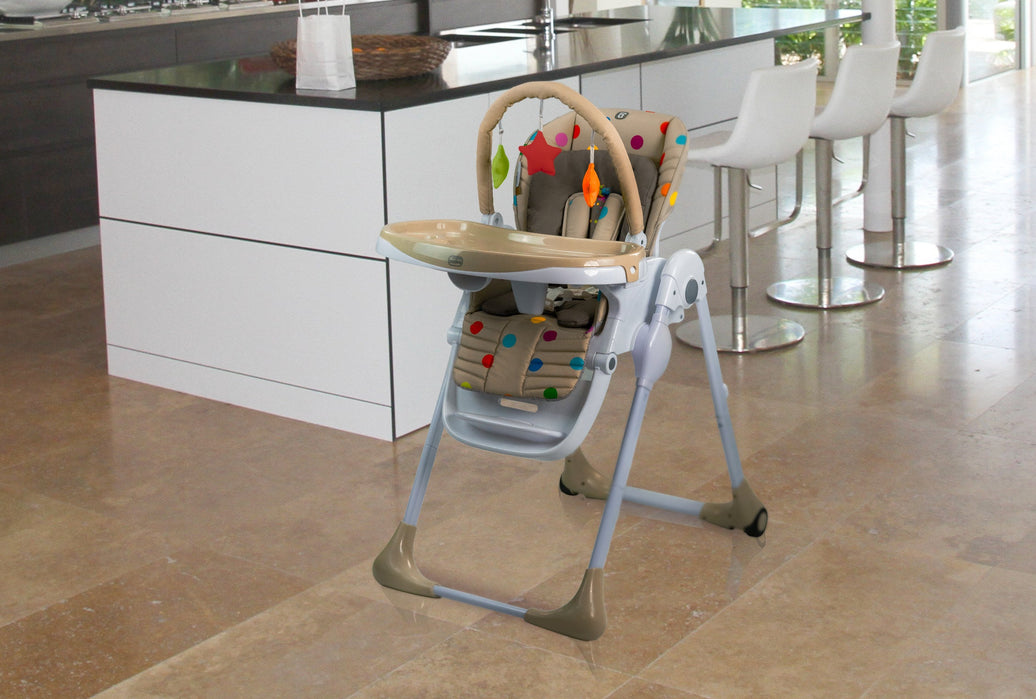
And midwives and pediatricians recommend waiting until the baby can sit on his own in a high chair to start giving him solid food.
Don't you feel like sitting down?
Isn't your baby one of the 90 percent of children who, at eight months old, sit up safely to play and eat? That is no reason to be alarmed at the moment. You can mention the topic to the pediatrician at the next visit or in the next pediatric examination and remember that each baby develops completely individually.
Maybe your baby is using this time to learn other exciting things. Give him the time he may need first. According to the pediatrician's opinion, you can help him develop movements with special physiotherapy methods or therapeutic gymnastics.
Conclusion
The most important thing: patience. Each baby is a world, we should not be afraid of our children growing up, but rather accompany them and encourage them to continue learning about everything that surrounds them. In this case, we are giving them a hand when we look for a space that cushions the rehearsals of the learning process, and we simply watch happily as they try.