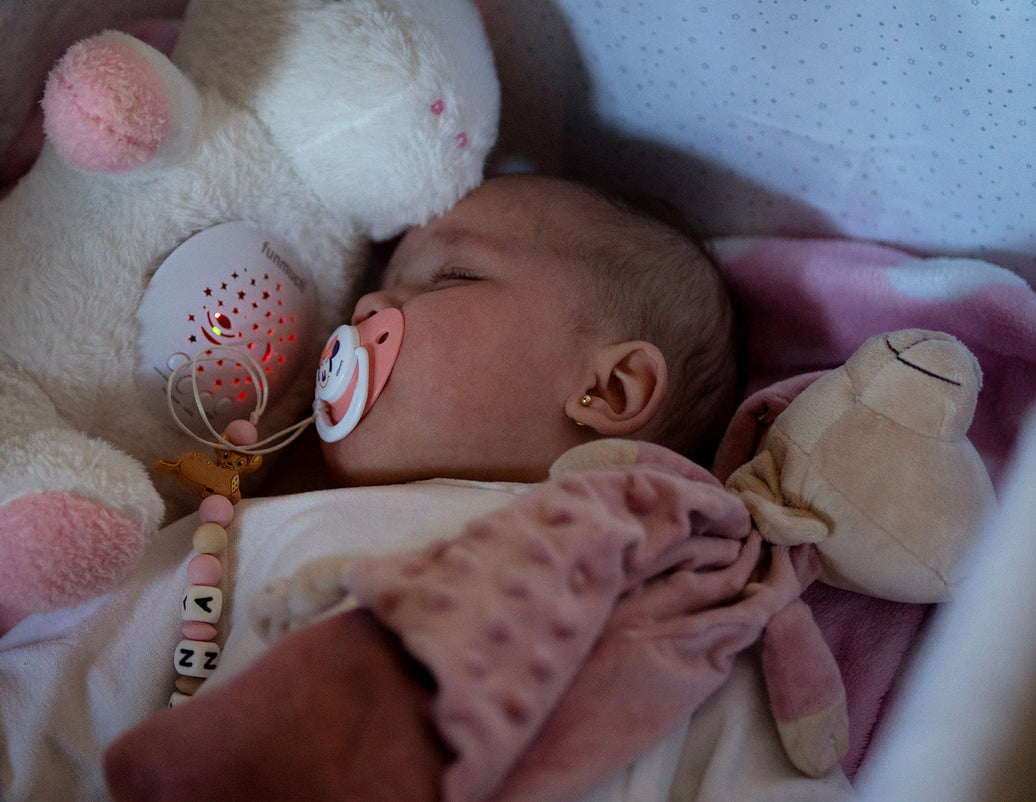


May 5. International Day of the Midwife.
At Asalvo we want to recognize the inestimable value of professionals who have been fundamental throughout the history of humanity, midwives.
A little history:
There are written documents that tell how in the 5th century BC, in Greece, midwives were divided into two groups; those who attended normal births and those of higher rank, those who were much more skilled and who attended complicated births.
Also in ancient Rome, writings describe midwives as women who enjoyed important social recognition, were recognized and admired, and had wealth and independence.
There are Egyptian writings more than 5,000 years old where midwives are described as strong, skilled and very valid women, indispensable in the life of the city, which is why they enjoyed a lot of prestige. In Luxor you can see bas-reliefs in the birth chambers that show images of midwives attending to both normal and real births.
All ancient texts that talk about pregnancies and births talk about these being attended by women. The midwives were self-taught women, they had no special education, and they practiced the art of midwifery following an oral tradition, a preparation and training offered by the oldest midwives and expanded by their own experience and skill.
Etymology:
The word “OBSTETRICS” derives from the Latin word “OB STARE” which means “BE IN FRONT” due to the position occupied by the woman assisting at birth.
The word “Midwife” derives from the Latin “CUM MATRE” which means “WITH THE MOTHER”.
The midwife today:
Today, midwives are professionals with a very high level of training, who have had to go to university and complete a nursing degree to subsequently train in the specialty of obstetric-gynecological nursing, pass the EIR exam and do 2 years of practical specialty.

Main functions of a midwife or midwife:
· Preconception care.
· Keep track of the woman throughout the pregnancy.
· Inform and prepare future parents about baby care.
· Inform the family group about the mother's care during the postpartum period.
· Prepare the woman for the moment of childbirth.
· Assist the woman during childbirth.
· Offer help and support to the pregnant woman before, during and after childbirth.
Important:
It has been shown that maternal and neonatal mortality rates are lower when a midwife is present.
A curiosity:
The profession of midwife has been an exclusive domain of women until the 20th century, when men began to train to practice this profession. The Royal Academy of Language did not consider the word “matron” until 2017.
Our thanks.
Today from Asalvo we want to thank all those people who, with an incredible vocation, with passion, empathy, affection, effort, professionalism... dedicate their lives to the profession of midwife. Thank you for the support, for the assistance, for the information, thank you for being there helping to make the miracle of life possible.
And you, do you have a midwife? How has your experience with the midwife been or is it being? Write us a comment telling it.