

The first signs of pregnancy often appear very early. If you want to fulfill your dream of having a baby, you are probably very aware of the possible signs of pregnancy in the second half of the cycle. Things change with an unplanned baby: many women do not interpret the first physical and psychological changes as pregnancy until after the first absence, or after a positive pregnancy test. In this post we have compiled the most common signs of pregnancy among pregnant people and advice to follow if you suffer from any of these signs.
Often, the first sign of pregnancy is tiredness, which can lead to complete exhaustion. This is due to the large amounts of progesterone that are released after fertilization to prepare the endometrium for egg absorption. Of course, this tiredness is not a sure sign, but if it appears along with other symptoms, it is very likely that you are pregnant.
Shortly after conception, many women suffer from the well-known and infamous morning sickness, which, by the way, can affect not only in the morning, but at any time of the day or night. They manifest themselves differently in each woman, some are almost completely saved, others have to suffer severe attacks of nausea. The most common and severe nausea occurs between the second and eighth weeks of pregnancy, and gradually decreases. The reason is that more and more pregnancy hormones HCG are released, which significantly control the transformation of the body during pregnancy.
Even attacks of ravenous hunger are not uncommon in the early stage of pregnancy and are often associated with "cravings" for rather unusual food combinations. By the way, the fact that we especially crave sour things is a myth: only a small percentage of pregnant women want sour foods. Additionally, many women experience that their sensory perception changes early in pregnancy. Some people react with nausea to the smell or taste of coffee, tea, or foods they previously loved. Odors and aromas are normally perceived with greater intensity. This is nothing more than another effect of pregnancy hormones, like mood changes and increased irritability.

Another sign at the beginning of pregnancy is the transformation that the breasts undergo. Due to hormonal changes, they change their shape and become larger. The nipples and areolas darken, the veins become more noticeable. Many women experience that their breasts become painfully tight early in pregnancy and are very sensitive to touch.
When the egg nests in the endometrium, it can cause slight smear bleeding, the so-called implantation bleeding. However, it is not a guaranteed sign of pregnancy. Not all pregnant women have it and, furthermore, it can often be misinterpreted as an early start of the period. The "rooting" of the embryo in the endometrium can lead to dark discharge at the end of the cycle.
Some women also experience mild abdominal cramps during pregnancy. The pregnancy hormone HCG also encourages the urge to urinate – a symptom that accompanies every pregnancy.

A missed period is considered the surest sign that a pregnancy exists. However, the regularity of menstruation can also fail for other reasons, such as stress, psychological stress, illness or medication use.
The only way to safely prove a pregnancy is through a test. Commercially available urine tests measure the concentration of the pregnancy hormone HCG in the urine. They can be used from the first day of the new cycle, that is, from the first day on which menstruation should occur. It is best to perform the test in the morning, because the HCG concentration is highest then. If the test indicates that you are pregnant, you can assume that this is the case. However, if the indicator shows no, it is possible that you really are but your HCG concentration is still too low for detection. British and American studies have shown that tests performed on the first day of menstruation fail to detect pregnancy by 54 to 97%. If you expect to be pregnant, you should repeat the test a few days later.
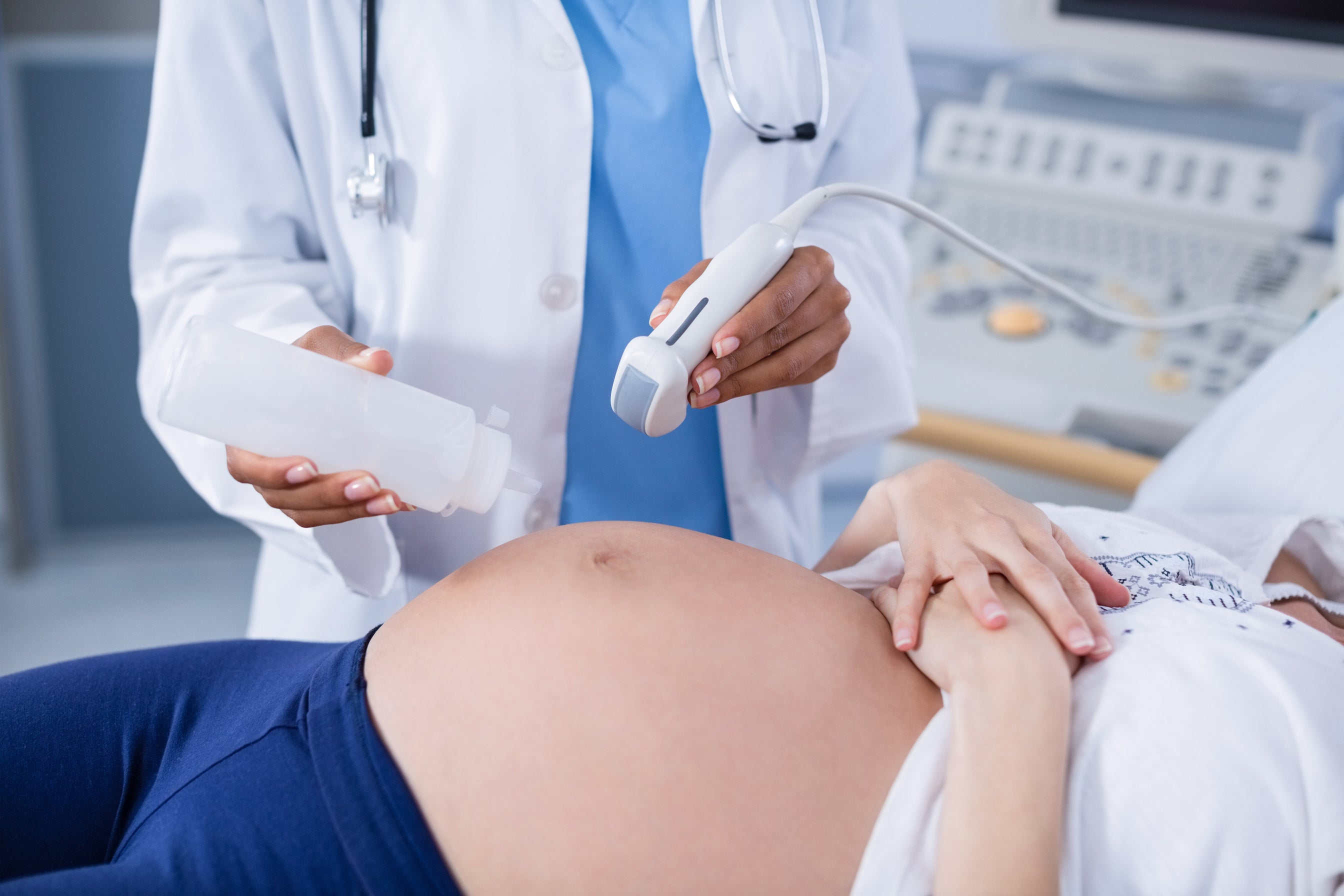
Your gynecologist, on the other hand, can reliably detect pregnancy soon after the fertilized egg implants in the uterus, seven to ten days after ovulation or fertilization, using a blood test. From this moment on, the pregnancy hormone HCG can be detected in the blood and appears in the urine about a week later. Pregnancy can be verified on ultrasound approximately one week after the first pregnancy, since the yolk sac can already be seen. Ultrasound is not only important to detect a pregnancy, but also to rule out an extrauterine pregnancy.
Many women fear that if they have missed the early signs of pregnancy, they may have harmed themselves by continuing to take medications, smoke or drink. But you don't have to worry: At the beginning of pregnancy the "all or nothing" principle applies, so if something fundamentally is not right with the embryo in the first weeks, nature takes care of interrupting that pregnancy. The affected woman usually only experiences it as a heavier beginning of her period or a slight delay in menstrual bleeding.