
In the previous post we have told you about some of the most common general errors that are made when installing or using a car seat. This new post is evident proof that there are many more that are committed, since we could not collect them all in a single post. Most of the installation errors of the type we detailed in the previous post could be corrected if we carefully read the instruction manual, which generally clarifies everything, and above all, always consulting with professionals, and not with friends or family. These can be of great help based on their experience, but not all car seats are the same, nor are cars, and even less so are children.
In this post we are going to indicate the errors more related to the use of the chair than to the installation itself. The first error that we are going to tell you about in this post is quite common, and we wanted to put it first because of the great importance it has.
-
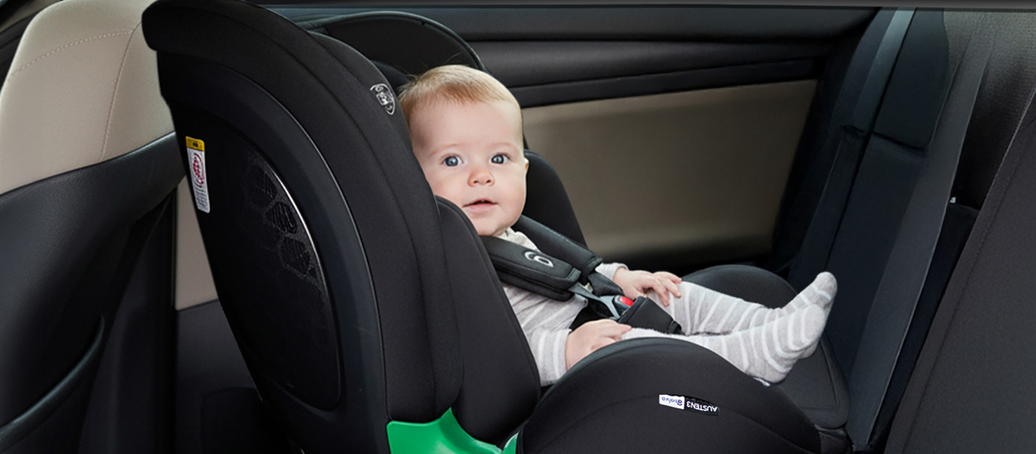
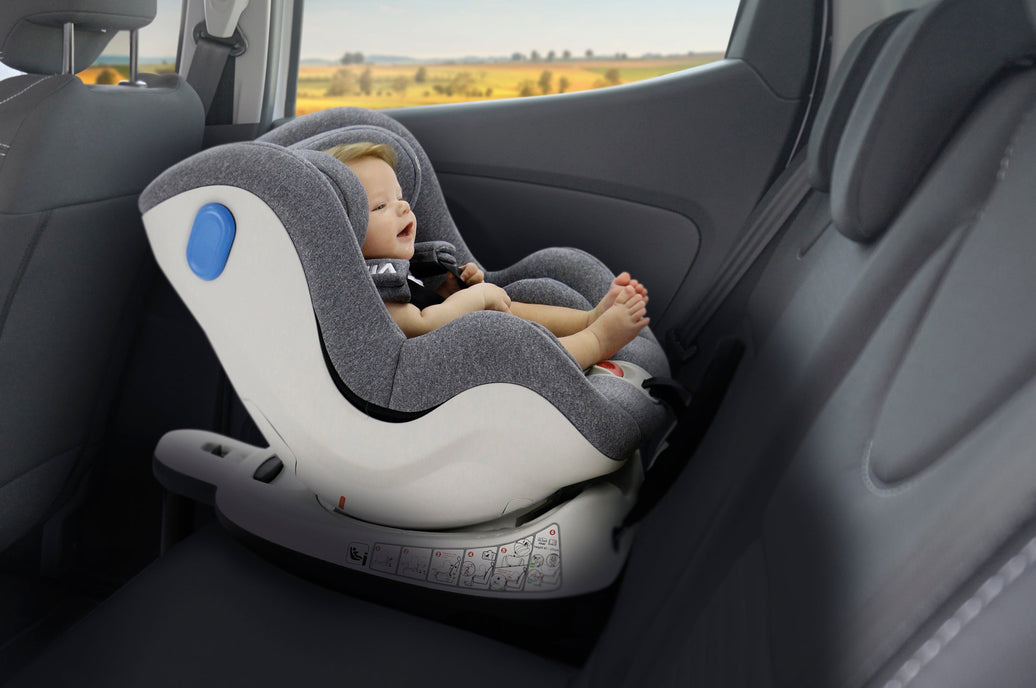
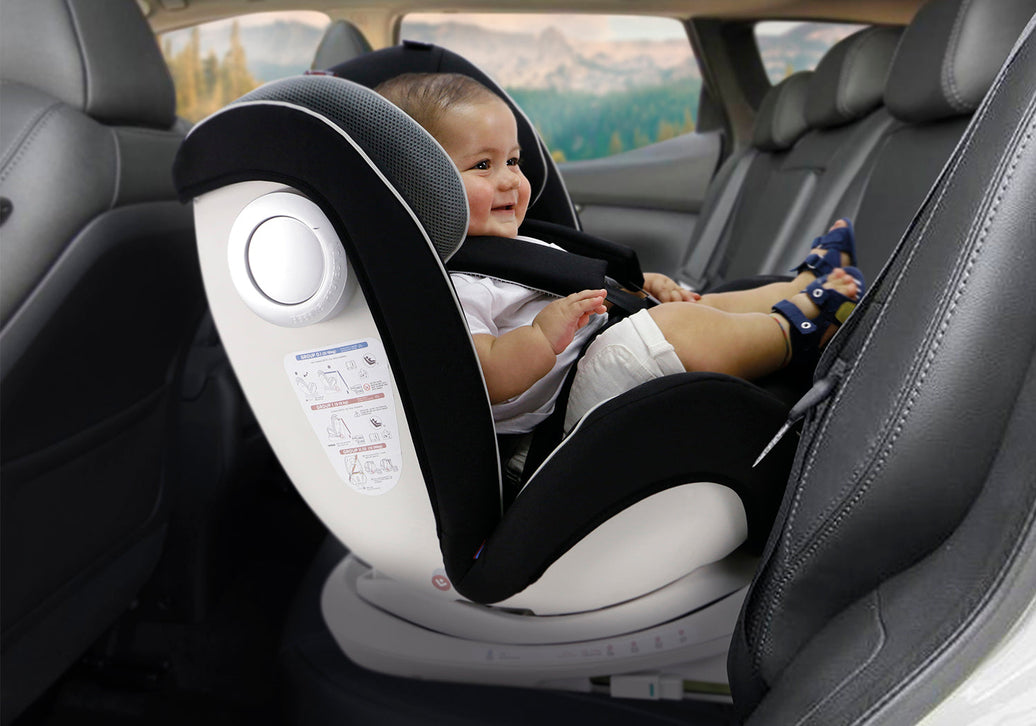
PLACE CHILDREN IN THE DIRECTION OF TRAVEL RAPIDLY. There is total consensus that children are more protected in rear-facing (CM) seats than if they are in forward-facing seats: they are up to 5 times safer! It is very common in stores for parents to have doubts about how long a child has to go to CM. The answer: if we stick to the regulations, they have to be in CM up to 9 kg if the chair has been approved with the regulations. R-44 and up to 15 months (older than a 9 kg child would be as a general rule) if it has been approved with the regulations R-129. This last regulation R-129 It is more demanding, and one of the main changes it introduced was precisely that: the longer mandatory time for chairs in CM. If you turn your little one around before what the corresponding regulations indicate, you are breaking it, you are making a mistake and you could be fined. But is this what is important? Definitely not. Another consensus that exists is that these 15 months are still insufficient. If we look at accident and safety statistics, children should be in CM for much longer, at least until approximately 4 years of age (18 kg if they are car seats with regulations). R-44 and 105 cm if it is chairs R-129 or I-size). Keep your little one in CM as long as you can because you are protecting him, and do not turn him over hastily. Let's avoid rushing based on reasons such as:
-
“My son gets dizzy”. NO. From birth he is in CM, his brain is not programmed to get dizzy like adults would be when moving in the opposite direction to what we are seeing.
-
“My son is bored”. NO. Are you going to put fun before safety? Interact with him, and make his trip more pleasant.
-
“I don't see my son if he's in reverse gear.”. NO. If you have to stop, do it as many times as necessary, and if necessary, it is preferable that you use a mirror facing the rearview mirror to be able to see it.
-
“My son doesn't fit”. NO. Although it may be the most understandable reason, always remember that the car seat is not the bed, that the child does not have to be fully extended, and that he can learn to bend his legs inward to continue in CM.

-
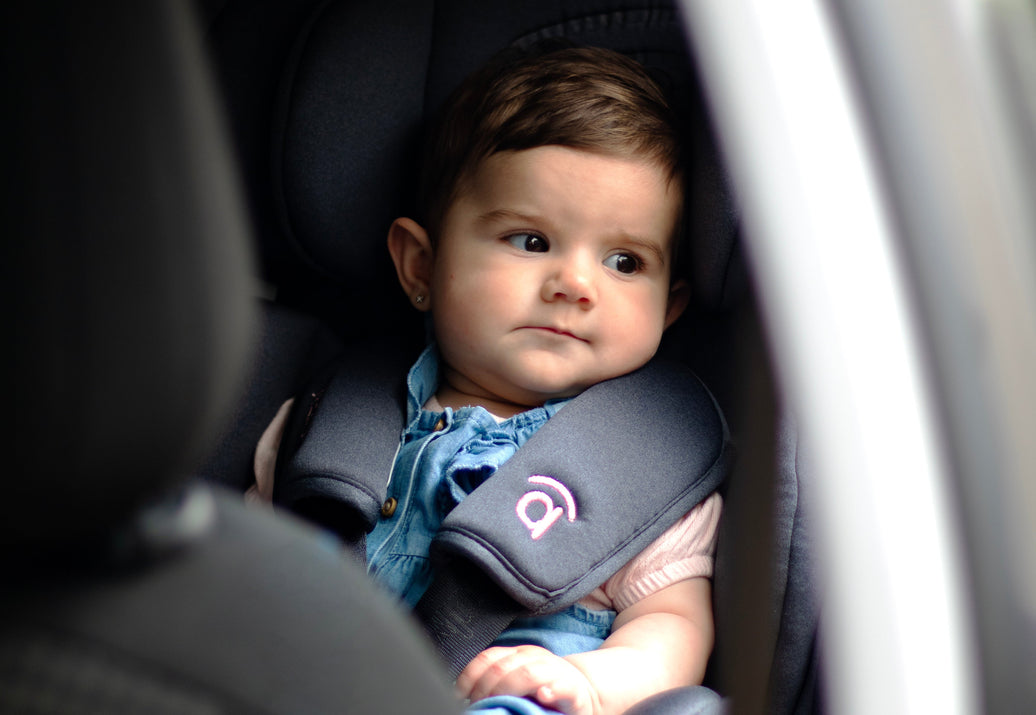
WEAR EXCESSIVE CLOTHES SO THAT THE BABY IS NOT COLD, AND “SAVE TIME”. We know that with today's pace of life, any minute gained is important. It is normal for many parents to take their little ones out of the house already wrapped up and put them in the car, because the journey they are going to take is short, and they do not want to waste time taking and putting on the child's jacket or coat. Virtually all cars have a heating system, so it's not the cold that makes you make this mistake either. It is as common and equally dangerous in young babies who are in harnesses as it is in older children who are in the vehicle's seat belt. In the first case, excess clothing means that the harnesses do not fit properly, and in the event of an accident they can open or move towards the outside of the shoulders, leaving them without support and the child being thrown out of the chair. In the second case, that is, if the child was restrained with the seat belt, excess clothing is also detrimental to safety because the ventral band, which should be above the pelvis, is above the belly, potentially causing abdominal injuries and damage to internal organs in the event of an accident.
-
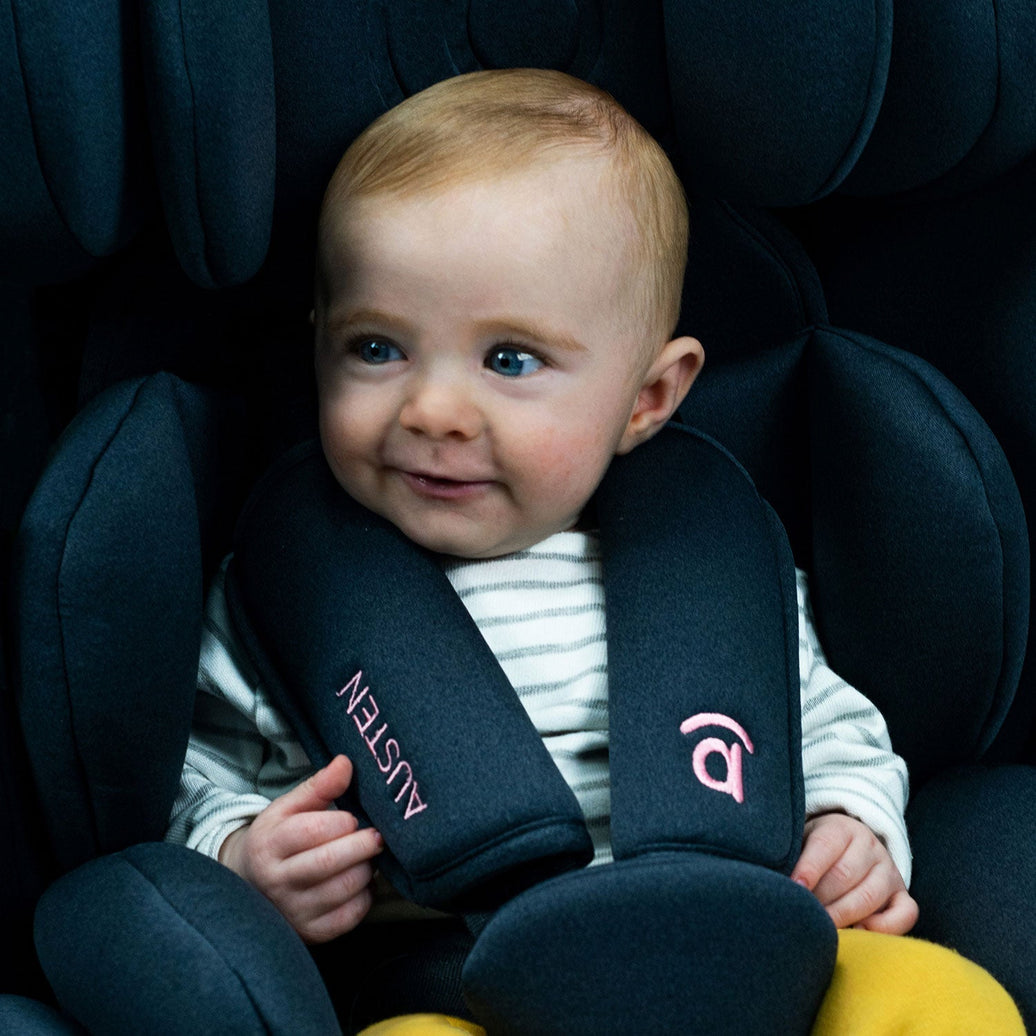
FAILURE TO ADJUST THE HARNESSES PROPERLY. Especially when children are very young, they seem totally fragile and defenseless; there are many parents who think that everything hurts their little ones. In this sense, it is very common for harnesses not to be adjusted or tightened for fear of harming the child. Harnesses must be perfectly adjusted to perform the safety function for which they are designed: restraint. As a guideline, you can take as a reference the fact that your hand fits sideways between the child's body and the harnesses: no more.

-
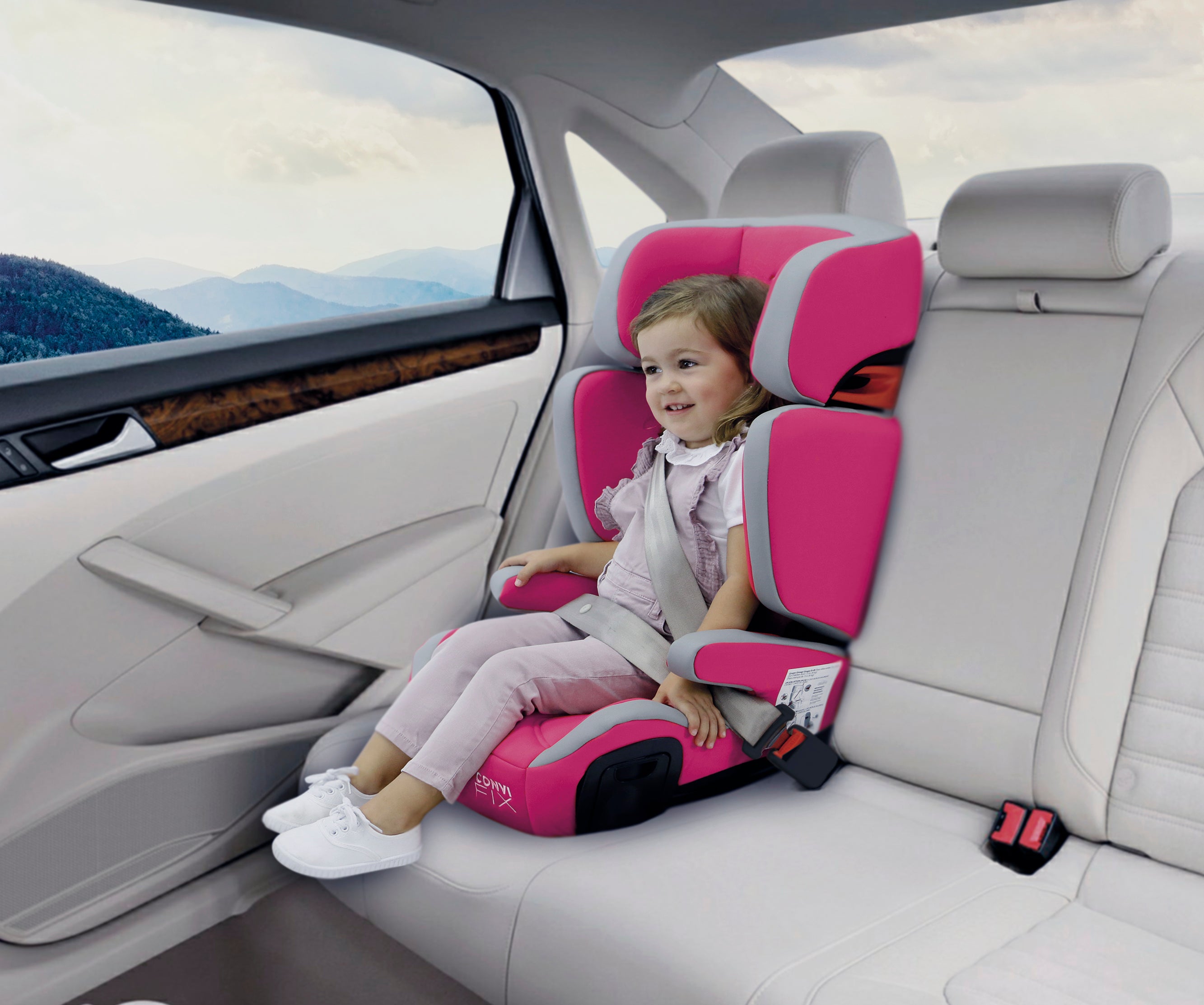
SECURE THE CHILD WITH THE SEAT BELT WHEN THEY SHOULD STILL BE WITH HARNESSES. This error is much more common than we think and its consequences can be disastrous: a child cannot be secured with a seat belt if it is at neck height. Depending on the type of seat and the regulations with which it has been approved, there may be small differences but we will tell you that, in general, if the child weighs less than 15 kg, they cannot use the seat belt. If you weigh more than 15 kg but your height is less than 98-100 cm, you cannot use it either because it will not fit correctly and it is highly dangerous since the belt would go over the front of your neck.
-
SUPPORT THE CHILD WITH HARNESSES WHEN THEY MUST GO WITH THE SEAT BELT. Also common due to a false sense of security, it would be exactly the opposite case to the previous one. In Europe, the use of safety harnesses with Isofix is not allowed if the child is more than 18 kg and travels in the direction of travel. From 18 kg onwards, if the child faces forward, the safety function is performed by the seat belt (obviously as long as the child is tall enough for the belt to be properly positioned). There are parents who, although the child has exceeded the appropriate height or weight, prefer that their child wear harnesses because they give them a greater sense of security, they think that the child is more restrained. And this is not the case: the harnesses are approved for use in the direction of travel up to 18 kg, no more.

We do not want to overwhelm you and create unnecessary anxiety regarding the use of your baby's car seat, but our experience tells us that in aspects as important as safety there is never too much information. Our intention is none other than to help your child stay safe.