
The development of babies is a fact that occurs in a very short period of time in relation to the importance that this process will have for the rest of our lives. For them it is a world, for those of us who see the evolution they have, it is a sigh. Today we are going to talk about one of the most exciting moments in a person's growth: when babies learn to walk, and how to help them cope with this process.
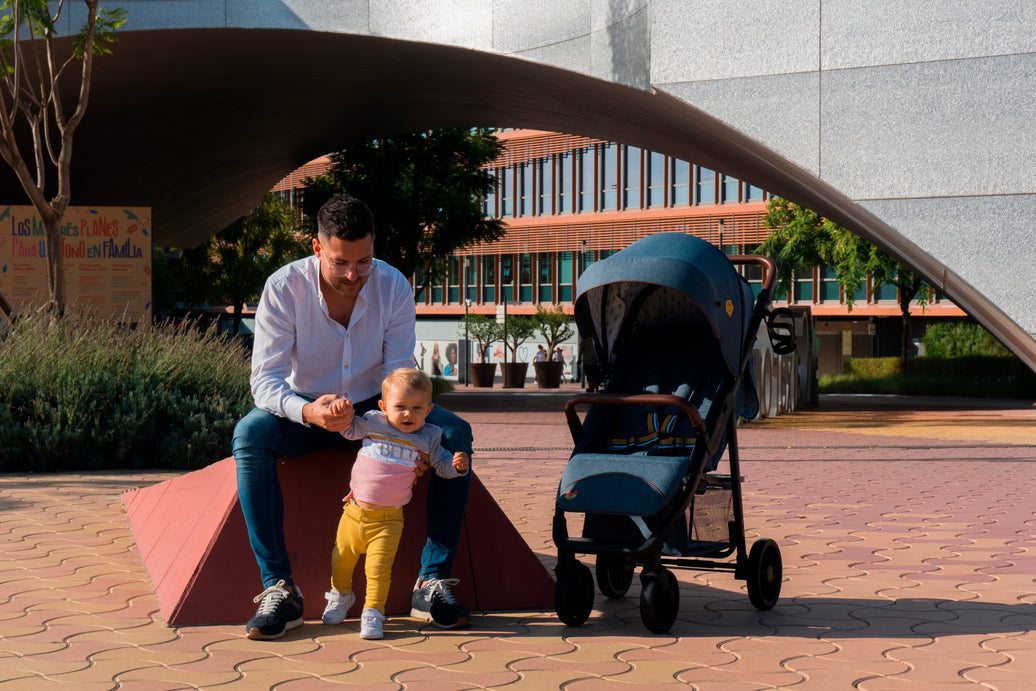
After learning the techniques to turn, sit and crawl, at the approximate arrival of the 8th month, the baby begins to have the strength to stand up with the help of objects around him. All of this will happen at the time when the baby also develops his ability to grasp. You will need a lot of experience, confidence and balance to dare to take the first steps, first holding on and then without hands. This entire process will take more or less time depending on each child. As a tip: if you have low furniture with sharp corners in your home, place protectors to prevent damage if it falls.
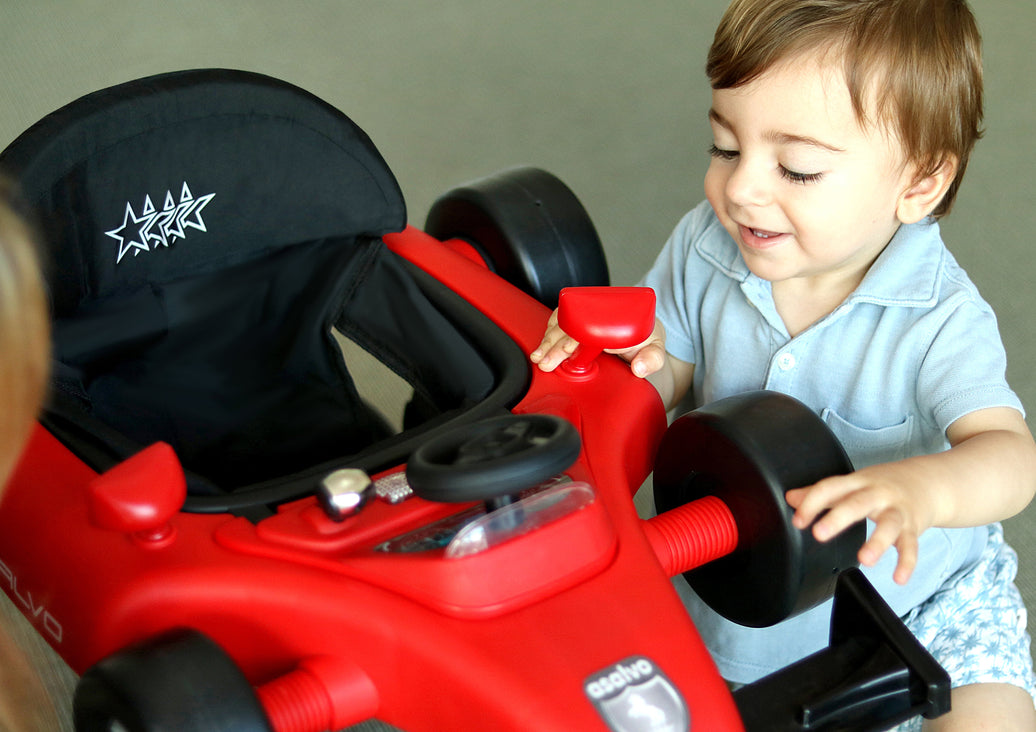
The time the child will need to be able to walk without support will depend on the experience gained walking and the courage the baby has. 75% of babies can walk unaided by 13 months. At this point, they can begin to stand up from a sitting position without falling. Between the second and third year, psychomotor skills are already very similar to those of adults. Helping and motivating your child to learn to walk can benefit your child's development, but in the end he knows how ready he is to perform an activity: don't demand anything of him that he is not yet able to do. An example of help could be encouraging him to walk towards a trusted person, sitting with his arms outstretched. You can also let him push a walker or walker under your supervision. Another way to help is by organizing your environment so that you don't do much damage if you fall.
According to experts, you should not wear shoes at first, as walking barefoot improves balance and foot flexion.
To choose your first shoe, take into account the following criteria:
- Don't buy him shoes until he walks safely on both feet and wants to test his skills outside.
- The shoe should be at least 12 mm and at most 17 mm longer than the foot so that the child can unfold it perfectly when walking.
- Create a template of the foot and place it on the sole of the shoe to see if it fits. To do this, place the baby's foot on a piece of cardboard, draw the outline and cut out the pattern.
- Choose a sole that is as flexible, light and non-slip as possible.
- Make sure they have good support and that the material is breathable. Plastic shoes can cause, in addition to sweaty feet, fungal infections.
- Before buying them, let the child try the shoes on and see if they walk well in them.
Each child learns to walk at a different time. This physiological process cannot be accelerated, so it must be given the time it needs to learn it. Some children take their first steps at nine months, while others do so at twice their age. The important thing is that, from the beginning, you offer them the possibility of moving and that you stimulate that desire to grow through dynamics with games. If the child still does not show signs of wanting to walk on his own when he is 18 months old, it is advisable to visit the pediatrician. I hope this post has been useful to you. Do you know any tricks that we haven't mentioned? Comment on our blog to share experiences with other Asalvo families.